Kids and money: teaching the value of a dollar, age by age
Kids learn money the way they learn most things at this age: by watching you, asking questions and trying it themselves. These guides follow what research and official guidance say children can understand at each age, and turn it into small, everyday moves. No lesson plans, no lectures.
16 guides
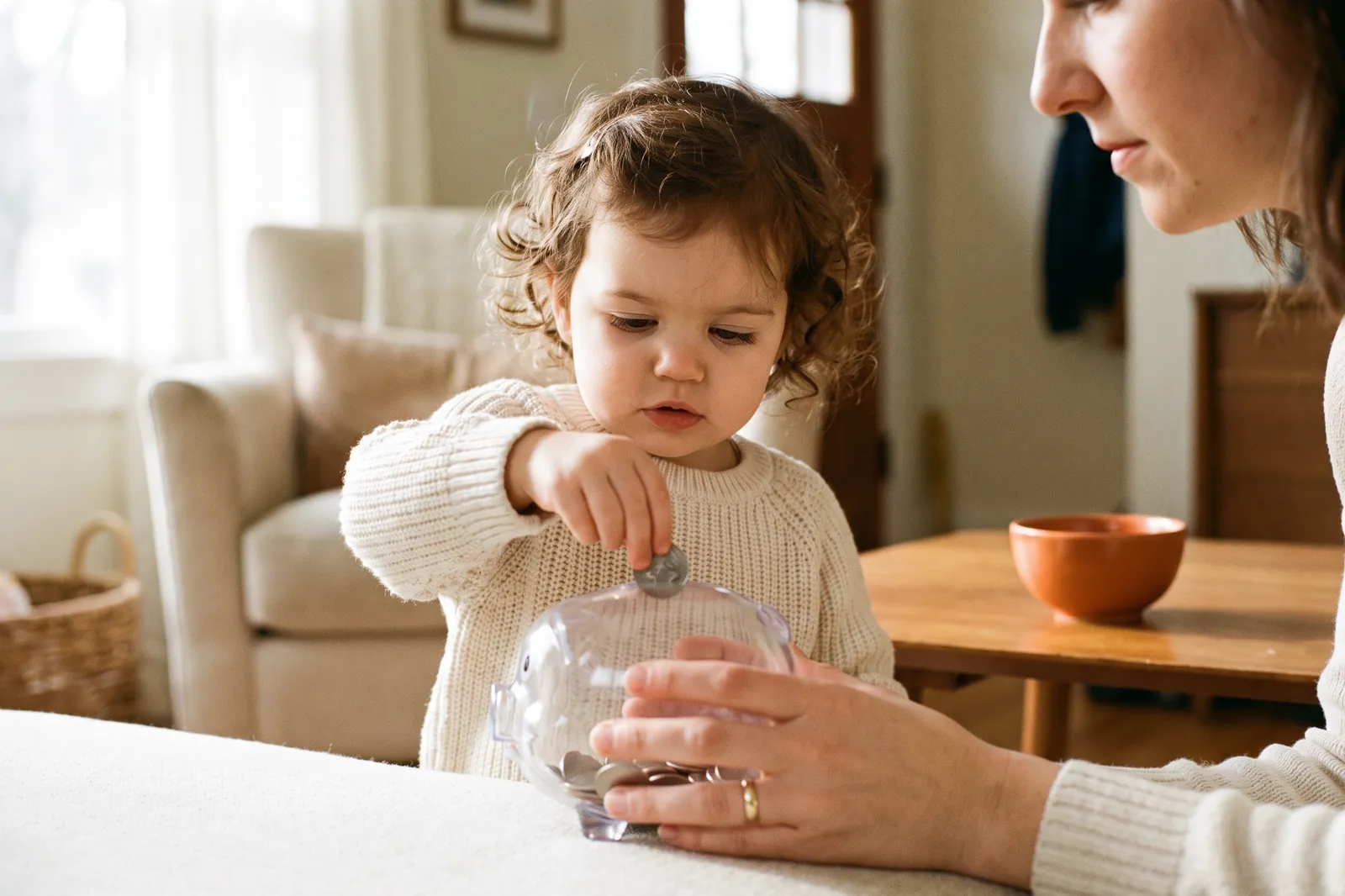
- Ways for kids to earn money at 5, 6 and 7 (that they can actually do) Real jobs a young child can do, sorted by age, plus the safety and legal basics and the small conversations that turn a few dollars into a lesson about work.
- The best books for kids about money, ages 3 to 8 Thirteen real picture books about spending, saving, earning and wanting, sorted by what they teach and checked for age. Plus how to turn story time into the money talk.
- Should kids get allowance for chores? The case for and against Thoughtful parents land on different answers here. The three common approaches, the honest pros and cons of each, and how to choose the one your family can keep.
- Save, spend, share jars: how the three-jar system works for young kids Three clear jars, one simple rule: every time money comes in, it gets split. How to set them up, how to divide the coins, and what to do when the spend jar is always empty.
- Needs vs wants for kids: how to explain it, with examples and books A simple definition your child can repeat, a table of everyday examples, four games for the grocery store and a handful of real picture books that make the idea stick.
- My kid thinks I’m an ATM: what to say when money seems unlimited If your child thinks the card always works and the machine always pays, they are not spoiled. They are reasoning from what they can see. Here is how to show them the rest.
- Money activities for kids 4 to 8 you can do this week at home Fifteen low-prep games and projects, sorted by setting, each built on one of the four ideas the CFPB suggests for young children: earning, saving, planning and shopping.
- How to teach kids to save money: small goals, clear jars, real waiting Saving is a habit, not a trick. Seven steps that work with how young children actually think about time, plus what to do when they want to give up.
- How to teach kids to count money: coins first, then the dollar A parent’s step-by-step path from a pile of loose change to counting a dollar and making change, with the coin facts straight from the U.S. Mint.
- How to teach kids the value of money (without a lecture) To a young child, prices are invisible. Six small habits at the store that make the value of a dollar something they can see, hold and weigh.
- How to teach kids about money, age by age No lectures, no lesson plans. What young children can understand at each age, and six small habits that teach the value of a dollar during a normal week.
- How to deal with a child who wants everything they see The asking is not a character flaw. It is a young child meeting a world full of things. Why it happens, what to say in the moment, and the habits that make the store easier.
- Delayed gratification in kids: what the marshmallow test really says The famous marshmallow test made waiting sound like destiny. Newer research tells a more modest, and more hopeful, story. What it means for your child and your family’s money habits.
- Allowance for kids by age: how much, how often, and whether to start There is no official number. How to pick a starting age and an amount, decide what the money covers, and keep it simple enough to stick with.
- A lemonade stand for kids: the first business lesson, step by step Rules to check, what to buy, how to price a cup, sign ideas that work, the safety basics, and the ten-minute count-up at the end that turns a summer afternoon into a money lesson.
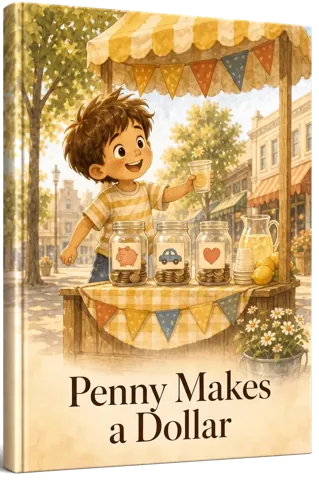
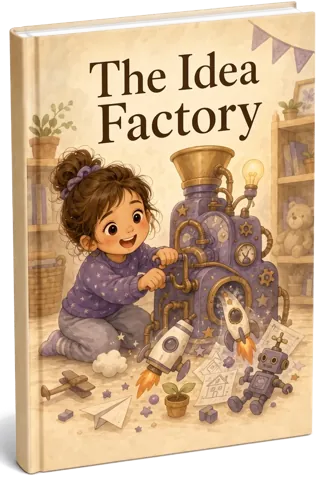
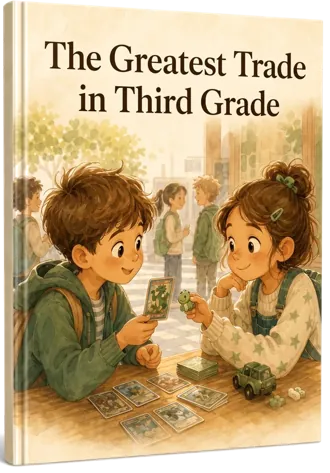
The library behind the Journal
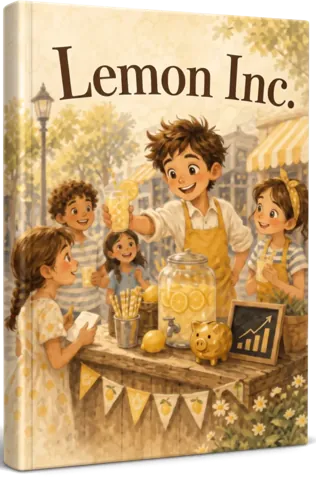
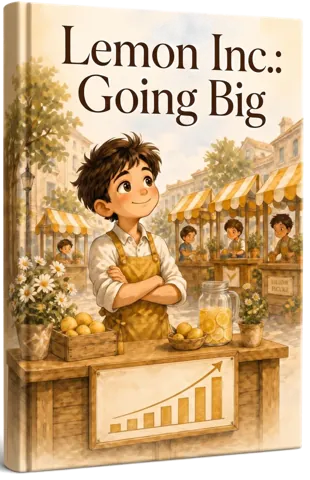
The Money & Business Library is five illustrated picture books for ages 4 to 8 that follow money from a first dollar to a small business: earning, ideas, worth, building and growing. Audiobook editions are available too.
We publish the Journal so parents get the research for free, whether or not the books end up on your shelf.
See the Library