Ways for kids to earn money at 5, 6 and 7 (that they can actually do)
Real jobs a young child can do, sorted by age, plus the safety and legal basics and the small conversations that turn a few dollars into a lesson about work.
In this guide
- Ground rules before any job
- Paid jobs vs. family jobs
- Ways for kids to earn money at 5
- How can a 6 year old make money?
- Ways for kids to earn money at 7 and 8
- How to teach kids to earn money, not just collect it
- Stories about earning
- Our own set: The Money & Business Library
- Questions parents ask
- Sources
The short answer
The best ways for young kids to earn money are close to home and done with you: extra jobs beyond everyday family chores, things they make and sell at a family yard sale or a stand, and small jobs for neighbors you know, with an adult there. Keep it safe and local, check whether your town needs a permit for any selling, and talk about the work, the price and the costs. The lesson is that money comes from making or doing something.
Sooner or later your child will want something that costs more than they have. That moment is a gift, because it opens the door to one of the first money ideas the Consumer Financial Protection Bureau suggests for ages 3 to 5: “You need money to buy things, and you earn money by working.” Below are ways for kids to earn money that a five, six or seven year old can actually do, plus the ground rules that keep it safe, legal and kind.
One thing to know first. Young children rarely connect money with work on their own. A 2013 review for the UK’s Money Advice Service, by Cambridge researchers David Whitebread and Sue Bingham, found that younger children are unlikely to see an allowance as a wage, and suggested that small jobs around the home may bring the idea of earning to life. So the job matters, but so does the talk around it.
Ground rules before any job
- An adult is always there. At this age, every job happens at home, with family, or with neighbors you know, and you are present.
- No door-to-door selling alone. If your child wants to offer a service to neighbors, you knock together.
- You handle the money with them. Kids count and keep it, but a grown-up stays next to the cash box.
- Check local rules for selling. Some towns require a permit for yard sales or roadside stands. A quick look at your city or county website, or a call, settles it.
- Keep it legal, which at home it almost always is. Under federal law, children under 14 generally may not be employed in covered non-farm jobs. The U.S. Department of Labor notes, though, that children may do work not covered by that law, such as “completing minor chores around private homes or casual baby-sitting,” and that children of any age may generally work for businesses entirely owned by their parents, outside hazardous jobs. State laws can be stricter, and when both apply, the stricter one wins.
Paid jobs vs. family jobs
Most families keep everyday helping unpaid: clearing plates, putting toys away, tidying their own room. Paid jobs are the extras, the ones you might otherwise do yourself or hire out. Drawing that line clearly keeps “what do I get?” from creeping into every request. If you are still deciding how money and chores fit together, our guide should kids get allowance for chores walks through the main approaches.
Ways for kids to earn money at 5
At five, keep jobs short, physical and easy to see finished. Pay right away, in coins, so the link between the work and the money is obvious.
- Wash something with you. The car, the patio chairs, the plastic bins in the garage. A bucket and a sponge go a long way.
- Pull weeds from one small patch. Show them what a weed looks like first, then mark the area with a stick.
- Sort a big pile. Matching a mountain of clean socks, sorting the recycling, or grouping a jar of mixed buttons or screws.
- Wipe low surfaces. Baseboards, cabinet doors, the lower half of the fridge.
- Make art to sell at a family yard sale. Drawings, painted rocks or bookmarks, with a price they choose.
How can a 6 year old make money?
Six year olds can follow a few steps in a row and start to understand that some amounts are not enough for some things. That makes them ready for jobs with a little planning.
- Run a lemonade stand with you. It is the classic first business, and it teaches costs, prices and customers in one afternoon. Rules vary by place, and some towns ask for a permit, so read our lemonade stand guide first.
- Sell outgrown toys and books at a yard sale. Let them choose what goes, set prices with sticky dots and greet buyers. Deciding what to let go of is part of the lesson.
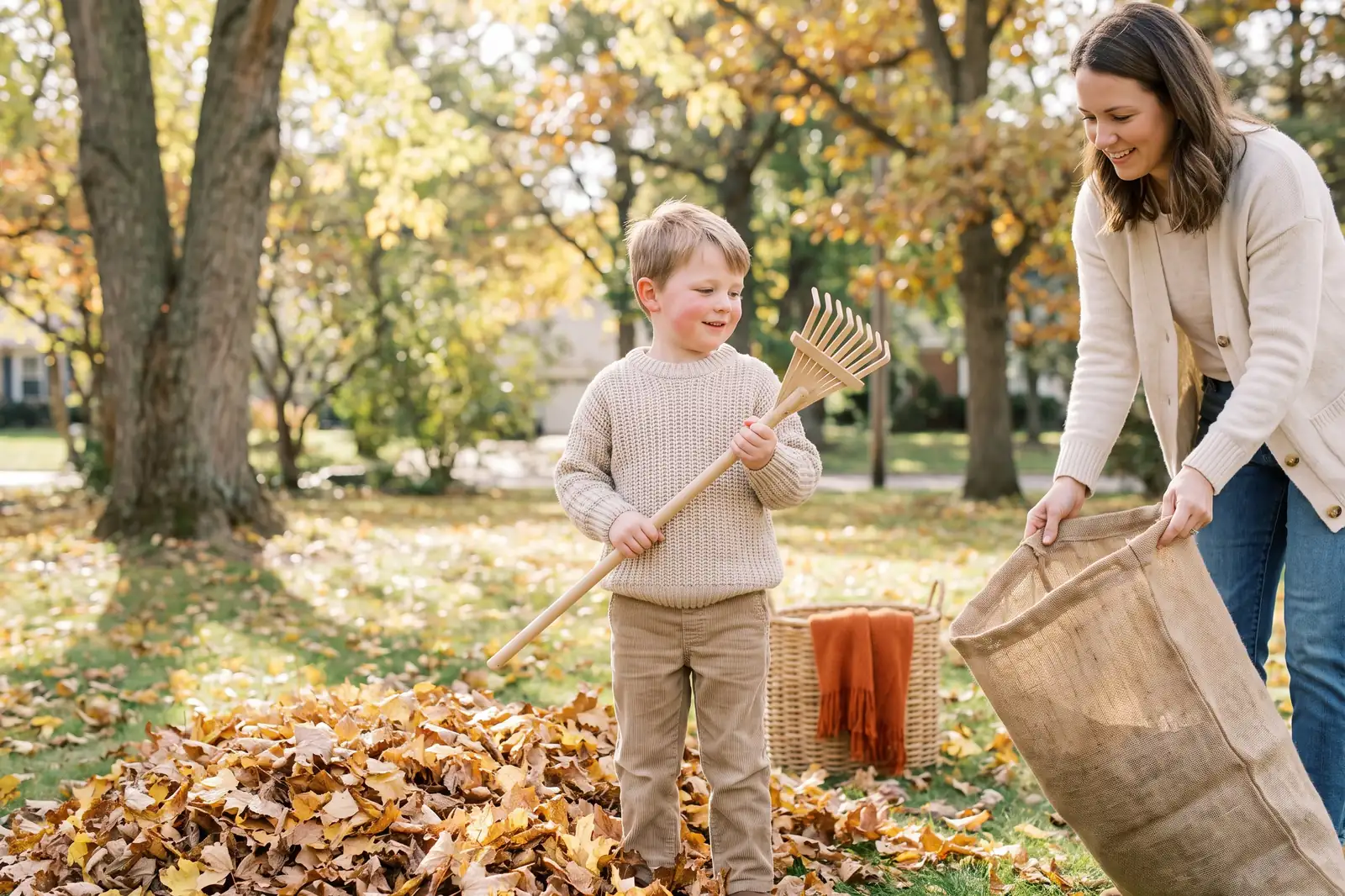
- Help a neighbor you know, with you. Watering plants while they are away, raking a corner of leaves, carrying a light bag of groceries from the car.
- Take on a bigger family project. Clearing out the garage or washing all the outdoor toys, paid as one job with a price agreed in advance.
Ways for kids to earn money at 7 and 8
Around seven, children begin to understand money as an exchange, including the change at the register, according to the Cambridge review. They can handle a small “business” with your help.
- Make something and sell it. Friendship bracelets, seed starts in egg cartons, homemade cards. Selling homemade food can bring extra rules in some places, so check before baking for sale.
- Offer a simple service to people you know. Feeding a neighbor’s pet while you stand by, helping a grandparent sort photos, bringing in the trash cans on pickup day.
- Join a cause sale. School bake sales and community fundraisers let kids practice selling while the money goes to something they care about.
- Bid on a household job. Post one bigger job on the fridge with a price and let them decide whether to take it. Saying no is allowed.
How to teach kids to earn money, not just collect it
The job is the easy part. These small conversations do the teaching.
Agree on the price before the work
“This job pays two dollars. Do you want it?” A price set in advance teaches that work and pay are an agreement. Keep it fair for the effort.
Count the costs
If they sell lemonade or bracelets, the lemons and beads cost money. Subtracting what they spent from what they made is the first step toward knowing what a business really earns.
Talk about grown-up work
The Cambridge review suggests talking about the different jobs adults do and how they are paid. You do not need to share your salary. “I fix computers, and people pay my company for it” is plenty.
Decide what the money is for
Before the money arrives, ask what they want to do with it. Spend some, save some, maybe give some. Our guides to save, spend, share jars and teaching kids to save cover that next step.
Stories about earning
Picture books let kids watch someone else work toward something. Two that fit this age:
Tía Isa Wants a Car, by Meg Medina, illustrated by Claudio Muñoz. Tía Isa is saving for a green car to take the whole family to the beach, and her niece does odd jobs for neighbors so she can add her earnings to the pile. It was named a 2012 Notable Children’s Book by the American Library Association’s children’s division. A warm story about earning for someone you love.
Arthur’s Funny Money, by Lillian Hoban. An I Can Read book in which Arthur tries to earn enough to buy a T-shirt and cap, with help from his sister Violet, and simple business ideas are woven into the story. A good pick for a new reader around six or seven.
For more titles, see our list of the best books for kids about money.
Our own set: The Money & Business Library
Full disclosure: we publish this one. The first of its five picture books, Penny Makes a Dollar, is about exactly this idea, that money comes from making something. Penny wants something she can’t have, so she works out how to make it happen herself. The set is for ages 4 to 8 and comes with audiobook editions. It is one way in; the books above and a real job in the backyard work just as well.
Questions parents ask
How can a 6 year old make money?
With you nearby: extra jobs at home beyond everyday chores, a lemonade stand, selling outgrown toys at a family yard sale, or small jobs for neighbors you know, like watering plants. Check whether your town requires a permit for any selling.
What jobs can a 5 year old do for money?
Short jobs with a clear finish: washing the car or patio chairs with you, pulling weeds from a marked patch, sorting socks or recycling, wiping baseboards. Pay right away in coins so the link between work and money is easy to see.
Is it legal for young kids to earn money?
At home, yes. The U.S. Department of Labor notes that federal child labor rules do not cover minor chores around private homes or casual babysitting, and children may generally work for businesses entirely owned by their parents. Selling things can need a local permit, and state rules may be stricter.
Should I pay my child for extra chores?
Many families do: everyday family jobs stay unpaid, and extra jobs earn money. The CFPB lists earning through an allowance or by doing jobs for the family or others among its ideas for ages 6 to 12. Agree on the price before the work starts.
Sources
- Money as You Grow: Young children (ages 3 to 5) Consumer Financial Protection Bureau
- Money as You Grow: School-age children to preteens (ages 6 to 12) Consumer Financial Protection Bureau
- Habit Formation and Learning in Young Children (May 2013), David Whitebread and Sue Bingham, University of Cambridge Money Advice Service, now the Money and Pensions Service
- Fact Sheet #43: Child Labor Provisions of the Fair Labor Standards Act (FLSA) for Nonagricultural Occupations U.S. Department of Labor, Wage and Hour Division
- Tía Isa Wants a Car, by Meg Medina, illustrated by Claudio Muñoz: 2012 Notable Children's Books Association for Library Service to Children, American Library Association
- Arthur's Funny Money, by Lillian Hoban I Can Read, HarperCollins
Links checked on October 12, 2026. Guidance changes; the publishers above keep the current version.
Written by the WonderLab Journal editorial desk and checked against the sources above. Found something out of date? Tell us through the corrections page.