How to raise grateful kids when they already have a lot
A child who forgets to say thank you is not a spoiled child. Gratitude is a set of skills that grows with age, and a few everyday questions help it along.
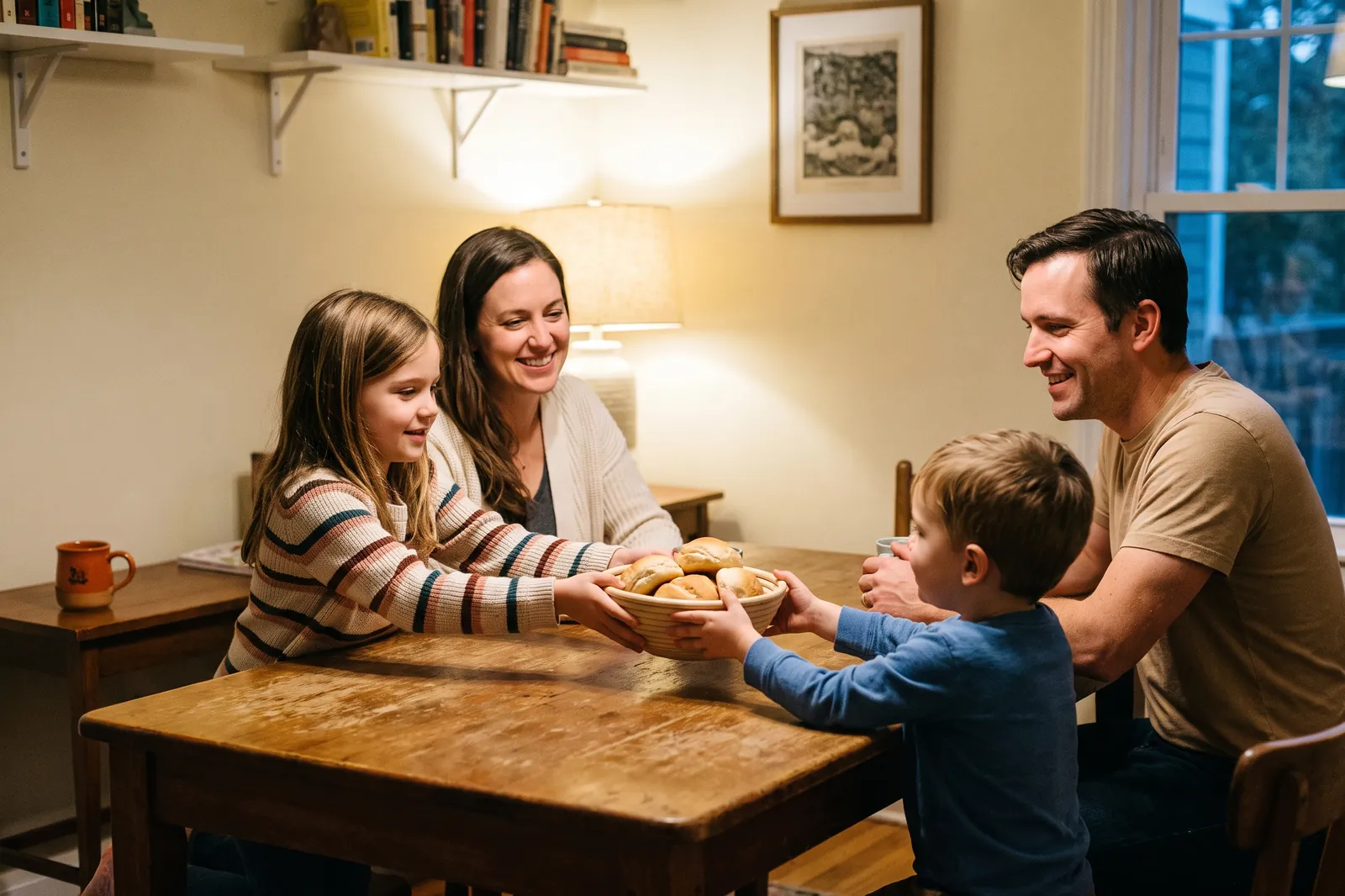
Treat gratitude as a skill, not a test of character. Researchers at the University of North Carolina describe four parts: what a child notices, how they think about why they got it, how they feel, and what they do to show thanks. Most parents prompt only the last one (“Say thank you”). Asking about the other three, modeling your own thanks and making it a daily habit rather than a November lesson is how to raise grateful kids who mean it.
If your child has ever torn through a pile of birthday presents and asked “Is that all?”, you are in very good company, and you have not failed. Young children are not born grateful. They grow into it, one small moment at a time. This guide to how to raise grateful kids starts from that idea: gratitude is something you can teach, gently, without lectures and without guilt, even when your child already has a lot.
Why kids who have a lot can seem ungrateful
Saying thank you is the easy part. Feeling grateful asks a young child to do something hard: to see a gift from someone else’s point of view. Researchers note that gratitude in children involves perspective taking and emotional knowledge, skills that begin to develop more quickly around ages 3 to 5.
Age matters a lot. In one classic 1976 study, researchers recorded children trick-or-treating on Halloween and found that 11 to 16 year olds were four times more likely to say thanks for the candy than six year olds. Developmental psychologist Andrea Hussong, who leads the Raising Grateful Children project at UNC Chapel Hill, explains that older children and adults tend to experience every part of gratitude on their own, while younger children may engage in only some parts, and only when prompted.
So the “Is that all?” moment is not proof of an entitled child. It is a five year old being five.
The four parts of gratitude
Hussong’s team describes gratitude as an experience with four parts. Each one gives you a different way in.
- Notice. What have you been given, or what do you already have, that you are glad about?
- Think. Why do you think someone gave it to you? Did they have to?
- Feel. How does it feel inside to get it?
- Do. Is there a way you want to show how you feel?
Here is the interesting part. When the team asked 100 parents of six to nine year olds how they had encouraged gratitude on a given day, 85 percent had prompted their child to say thank you or show good manners. About half had pointed out that their child had received something. Only a third asked how a gift made their child feel, and 22 percent asked why their child thought someone had given it. In other words, most of us coach the do and skip the parts that make the thank you real.
How to raise grateful kids: six everyday habits
Knowing how to teach kids gratitude does not require a program. In a separate study, Hussong’s team asked parents to keep a daily diary for a week. On days when parents did more to cultivate gratitude, their children showed more gratitude that same day. Small, ordinary moments count. Here are six that fit into a normal week.
1. Ask the “why” question
After a gift or a kindness, try: “Why do you think Grandma picked this one for you?” It moves a child from the object to the person behind it, which is the thinking part most parents skip.
2. Point out the effort behind the gift
Children rarely see what a gift cost someone in time or care. Say it out loud: “Aunt Maya drove two hours to be at your party.” “Dad fixed your bike after work, even though he was tired.” You are teaching them to notice.
3. Make it a daily habit, not a November lesson
The American Academy of Pediatrics suggests taking a couple of minutes at bedtime to talk about at least one thing, no matter how small, that your family is grateful for, and even collecting them in a family “gratitude jar.” Its advice is also not to save these conversations for Thanksgiving. Dinner works too: everyone shares one good thing from the day.
4. Say your own thanks where they can hear it
The AAP’s simplest tip is to be more grateful yourself. Thank the bus driver, the cashier, your partner for doing the dishes. Kids learn the habit by watching it happen hundreds of times.
5. Let them give, not just receive
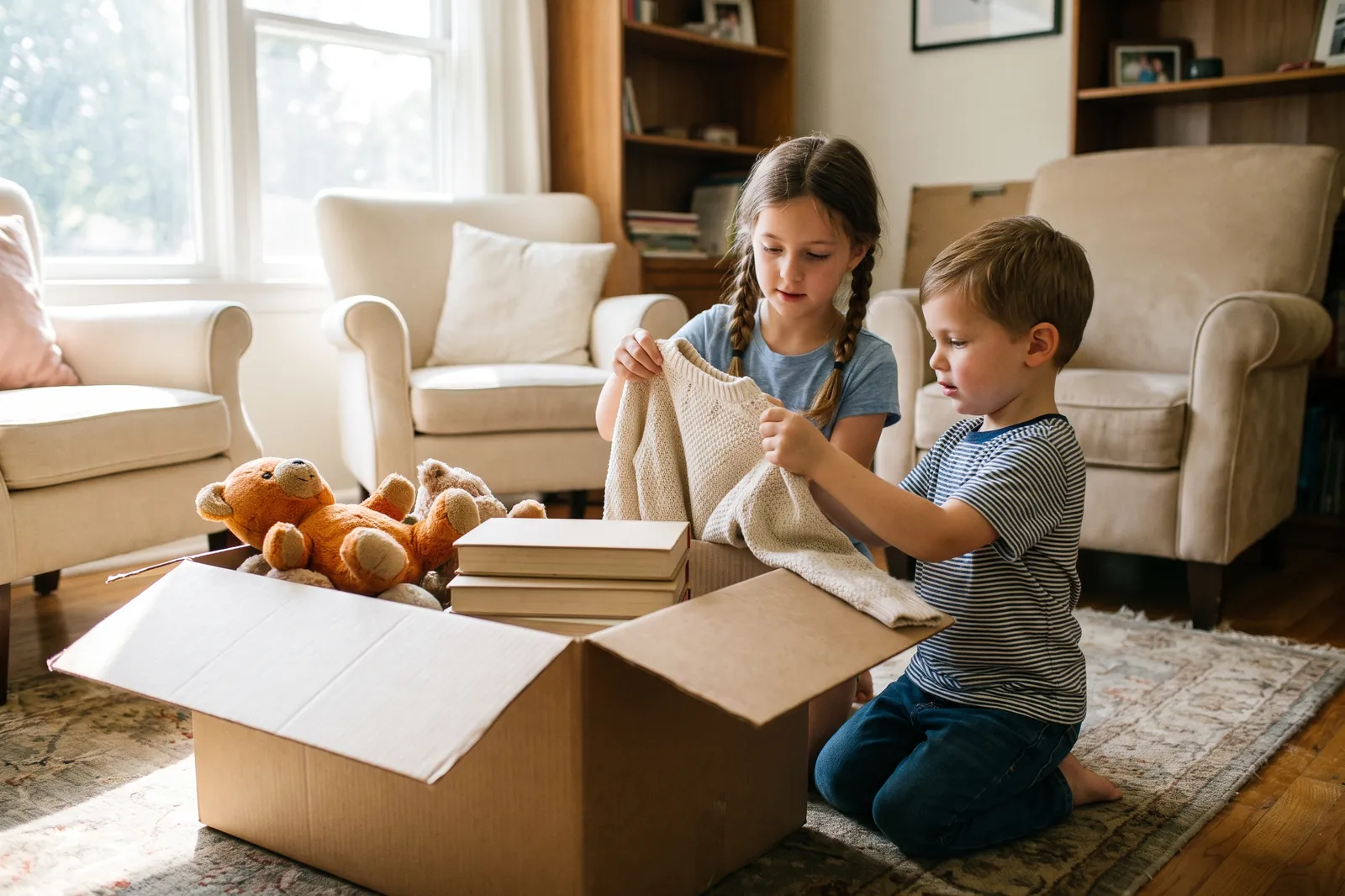
Giving helps children feel the other side of a gift. Let them pick a toy to donate, help bake cookies for a neighbor or choose an item for the food bank. Our guide to books about giving has stories that make a good starting point.
6. Swap the forced thank-you note for a real one
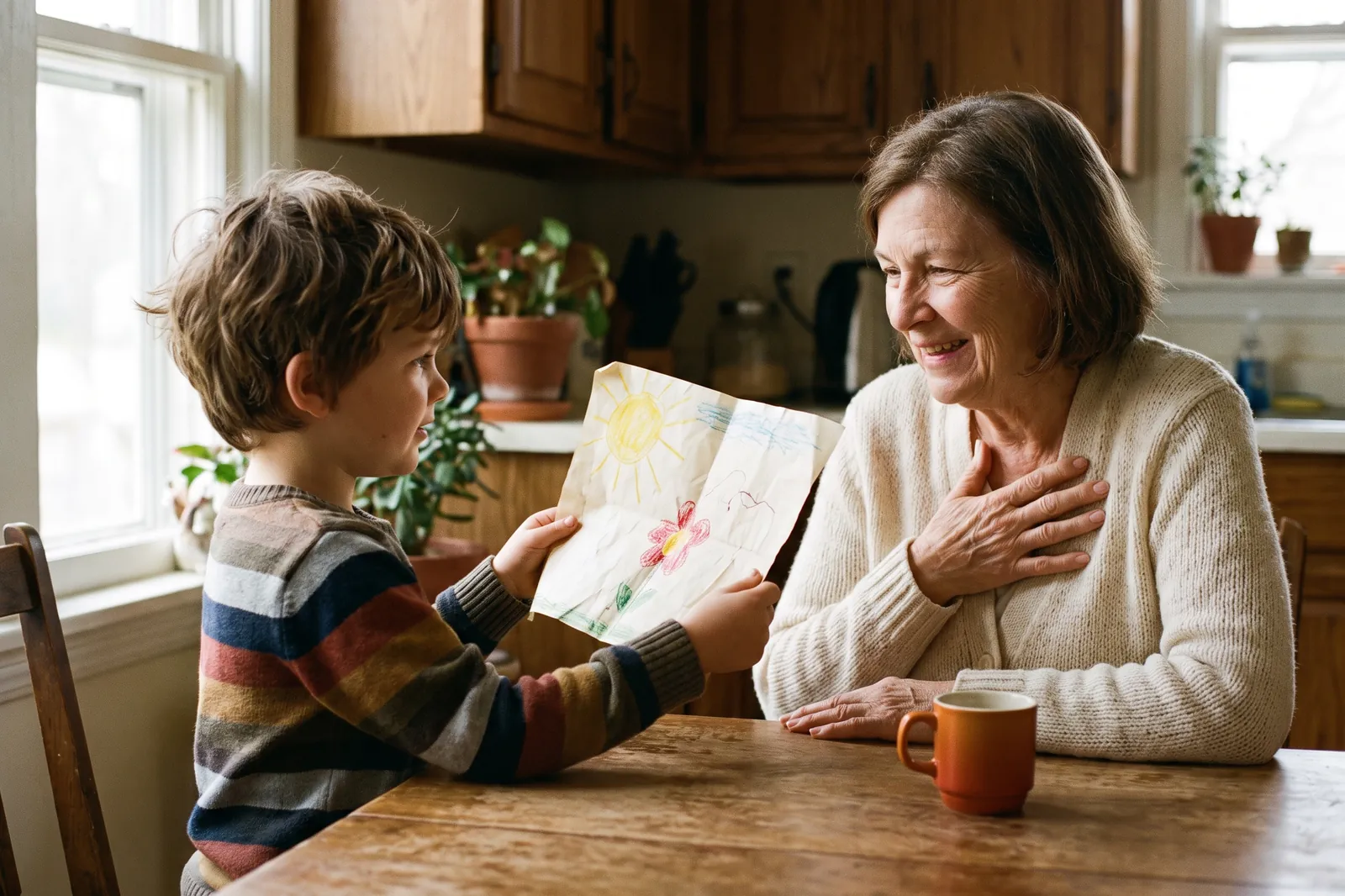
A thank-you note written under protest teaches compliance, not gratitude. Instead, ask what kind of thank you your child would like to make: a drawing, a short video, a hug at the next visit. The doing part sticks better when it comes from the feeling.
What to do when your child seems ungrateful
Every parent has a moment that stings: the unopened gift, the “my friend has more,” the meltdown in the toy aisle. Hussong and her colleagues looked at how parents respond to moments like these and followed the children for three years.
Parents who answered ingratitude with punishments, like taking away dessert, reported seeing more grateful behavior later, along with more sadness and worry. But the children’s own reports told a different story. Kids described feeling more grateful when their parents calmly shared their real feelings, such as “I feel frustrated that you assume I’ll pick up after you.” The researchers suggest that punishment may bring better manners on the outside without changing much on the inside.
So in the moment, skip the speech. Say how you feel, briefly and kindly, and come back to the four questions later when everyone is calm.
How to raise kids who aren’t entitled
Wanting things is normal. A four year old who asks for everything in the store is discovering that the world is full of things, not showing a character flaw. What protects against entitlement over time is understanding that things cost money, that money comes from someone’s work and that you cannot have everything you want.
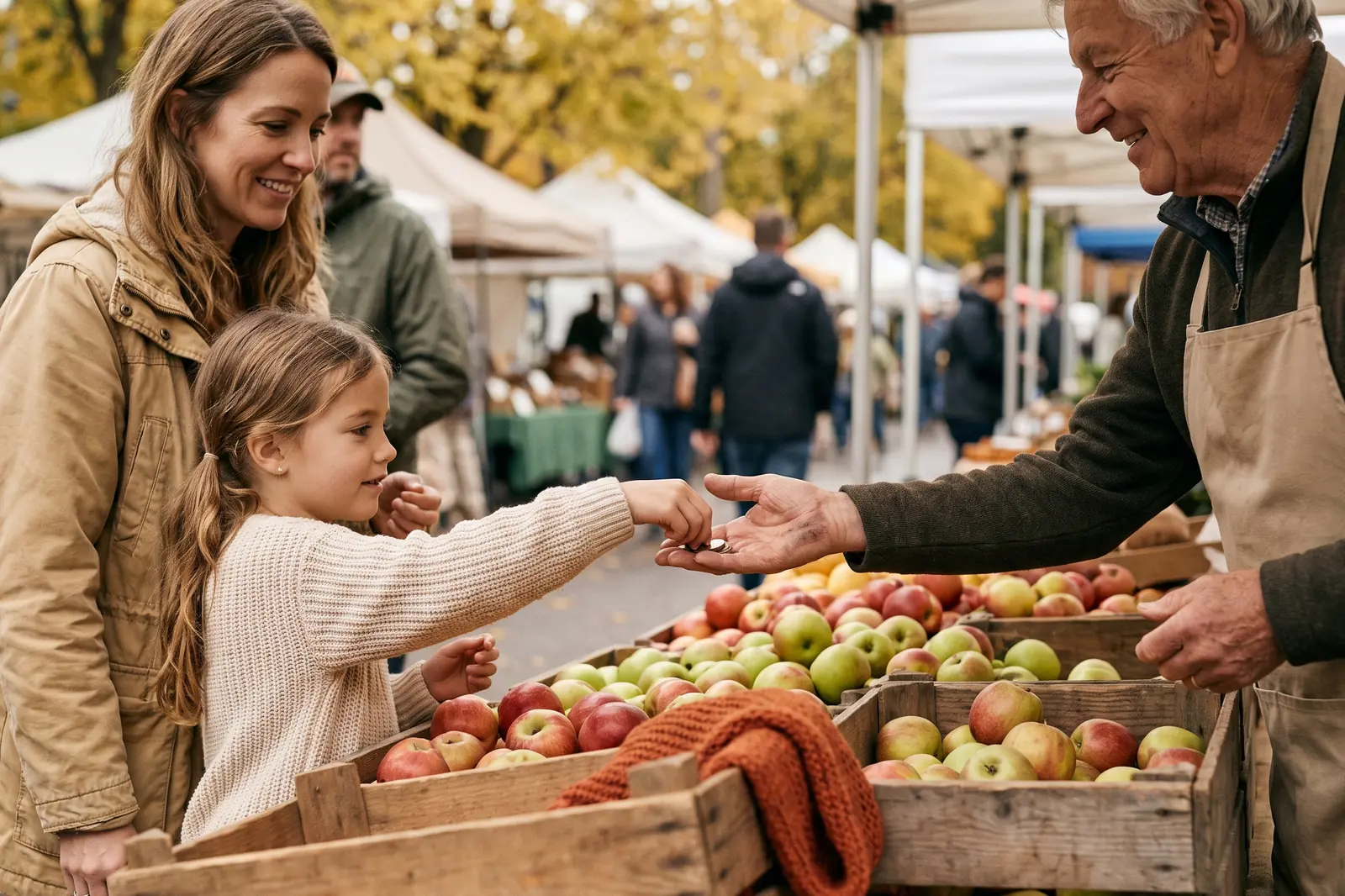
That is why gratitude and money lessons belong together. Talking about prices, choosing between two things and saving up for one are all ways to show a child the effort behind what they have. Our guides on teaching the value of money, needs versus wants and the child who wants everything go deeper.
Where stories fit in
Picture books let a child watch someone else receive, give, want and wait, from a safe distance. They also hand you an easy opening for the notice, think and feel questions. Our lists of books about gratitude and Thanksgiving books are good places to start.
Full disclosure: we publish The Money & Business Library, five illustrated picture books for ages 4 to 8 that follow money from a first dollar to a small business. One of them, The Greatest Trade in Third Grade, is about a trade that goes badly wrong, then right, and what things are worth along the way. It is one way into the conversation, not the only one.
Questions parents ask
At what age do kids understand gratitude?
Gradually. The skills behind gratitude, such as seeing things from someone else’s point of view, begin to develop more quickly around ages 3 to 5. Younger children often show only parts of gratitude, and mostly when prompted. Saying thank you without a reminder usually comes later, so patience in the preschool years is normal and expected.
How do I stop my child from being entitled?
Start with understanding rather than punishment. Point out the effort behind what they receive, let them give to others, talk about what things cost and practice saving for something they want. Research from UNC Chapel Hill suggests that calmly sharing your feelings works better on the inside than taking things away.
Should I make my child write thank-you notes?
A note can be a lovely habit, but forcing it can turn thanks into a chore. Try asking your child how they would like to say thank you: a drawing, a short message or a call. Connecting the note to how the gift made them feel matters more than the format.
Is my child ungrateful or just young?
Usually just young. Researchers have found that older children and adults experience all parts of gratitude on their own, while young children may show only some parts, and only with prompting. A six year old forgetting to say thanks is typical, not a sign of a spoiled child.
Sources
Written by the WonderLab Journal editorial desk and checked against the sources above. Found something out of date? Tell us through the corrections page.