Non-toy gifts for kids that still feel like a gift
Nothing against toys. If the playroom is already full, here are gifts that give a child something to do, something to look forward to, or something to keep.
- 01What makes non-toy gifts for kids feel like a gift
- 02Experience gifts for kids
- 03Books and audiobooks
- 04Subscriptions that arrive all year
- 05Lessons and classes
- 06A first piggy bank and other savings gifts
- 07Keepsakes they will keep
- 08Non-toy gifts for toddlers
- 09How to ask family for non-toy gifts
- 10Questions parents ask
- 11Sources
The best non-toy gifts for kids are things they can do, read, learn or keep: an experience with you, a stack of books or audiobooks, a block of lessons, a first savings jar with a few coins in it, or a keepsake that marks the year. Give each one something to unwrap, such as a ticket in a box or a jar with a tag, so it still feels like a gift on the day.
Let’s start with what this is not: a case against toys. Toys are good for kids, and a few will always end up under the tree. But if the bins are overflowing, or a relative has asked what your child “actually needs,” non-toy gifts for kids are a lovely way to give something that lasts past the first week. Here are Christmas gifts for kids that aren’t toys, though every idea works just as well for a birthday.
The American Academy of Pediatrics makes a point that helps here. In its guidance on choosing toys, it says “the best toys are those that support parents and children playing, pretending and interacting together,” and that they “need not be flashy or expensive.” The same idea holds for gifts in general. What children remember is usually the time attached to the thing.
What makes non-toy gifts for kids feel like a gift
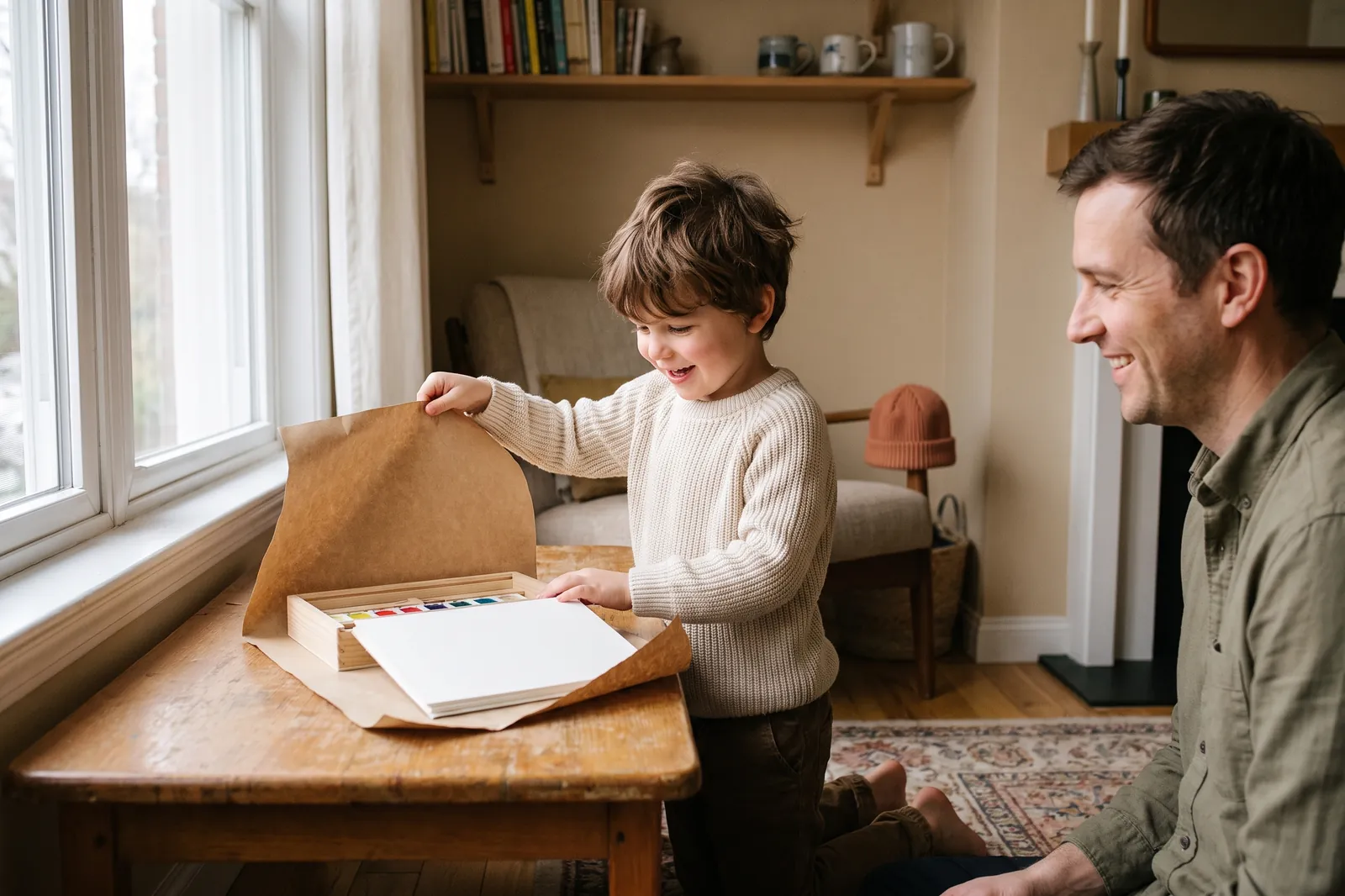
Young children live in the moment of opening. A museum membership printed on a sheet of paper can fall flat with a four year old, while the same membership tucked inside a box with a small dinosaur figure and a hand-drawn map gets a gasp. A few small habits make any of the ideas below land better:
- Give it a shape. Wrap a token: a ticket, a swim cap, a jar, a key to “the special day.”
- Put a date on it. “Saturday the 14th” is far more exciting than “sometime.”
- Tie it to their thing. A child who loves trains will love a trip to see real ones.
Experience gifts for kids
Experience gifts are the classic non-toy choice, and for good reason: they come with you attached.
- A membership to a zoo, aquarium, science center or children’s museum. It turns one outing into a year of rainy-day plans.
- Tickets to a children’s theater show, a puppet show, a minor league game or a holiday concert.
- A one-on-one day with a parent, grandparent or favorite aunt. The child picks the lunch spot. This one matters most in families with more than one kid.
- A backyard campout or a living room fort night, wrapped as a flashlight and a handwritten invitation.
- A class you take together, like a pottery, cooking or family art session.
Books and audiobooks
Books are the most natural non-toy gift there is, and they get better with re-reading. Pick around an obsession (sharks, space, trucks, ballet) rather than around what you think they should read. Write a short note inside the cover with the date and their age. Years from now, that inscription is the part they will care about.
- A small stack built around one theme, tied with ribbon.
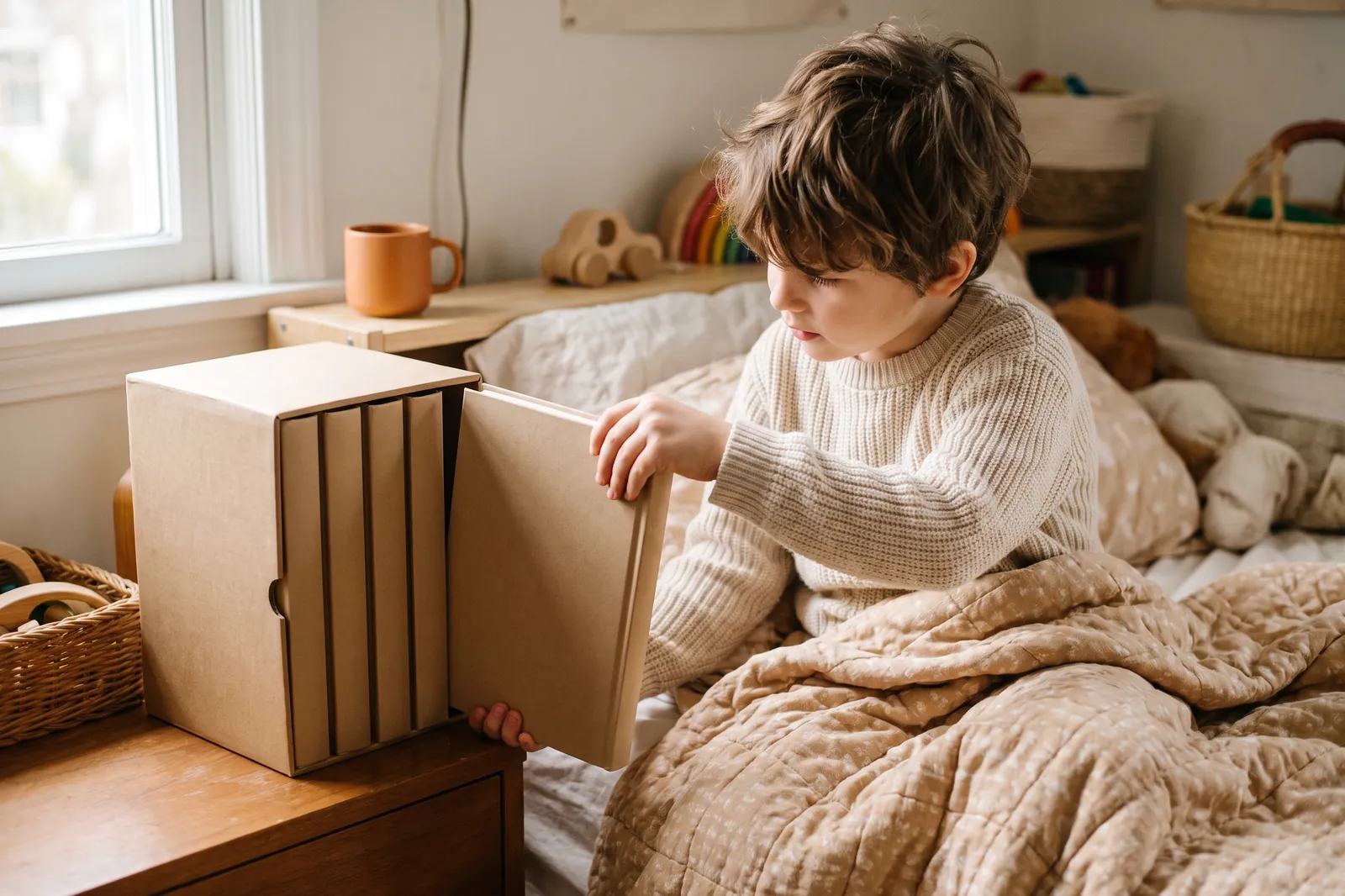
- A box set of a series they can grow into. We compared the options in the best book box sets for kids 4 to 8.
- Audiobooks for car rides and quiet time, a good fit for kids who listen longer than they can read. See our audiobook picks.
- Their first library card, wrapped as a trip to the library and a new tote bag to carry the books home. It costs nothing and keeps giving.
Our own set fits here too. Full disclosure: we publish The Money & Business Library, five illustrated picture books for ages 4 to 8 that follow money from a first dollar to a small business, with audiobook editions. It is one option among many. For more ideas, read how to pick a book they will actually read.
Subscriptions that arrive all year
A subscription stretches one gift into twelve small ones, and getting mail with your own name on it is a thrill at five. Think in categories:
- A children’s magazine matched to their reading level and interests.
- A book subscription, where a new title arrives each month. We cover how to choose one in book subscriptions for kids.
- A monthly craft or science kit for kids who like to make things.
Before you buy, check how easy it is to pause or cancel, and whether it renews automatically. A short commitment you can extend beats a long one you forget about.
Lessons and classes
A block of lessons is a gift of a new skill, and a lot of kids feel very grown up walking into “their” class. Music, dance, art, gymnastics, martial arts and team sports all work. Wrap a piece of gear to open on the day: a pair of goggles, ballet shoes, a sketchbook.
Swim lessons deserve a special mention. The AAP says swim lessons can begin for many children starting at age 1, and that “by their 4th birthday, if they haven’t already started, most children are ready.” It also stresses that lessons are just one layer of protection around water, alongside supervision, barriers and life jackets. Paying for a short trial block first is a gentle way to see whether a child is ready.
A first piggy bank and other savings gifts
Money gifts can feel cold to a small child, but they do not have to. The trick is to make the money something they can see and hold.
- A first piggy bank or a clear jar with a few real coins already inside. A clear jar lets them watch it fill. The Consumer Financial Protection Bureau suggests telling young children, “You may have to wait and save up money before you can buy something you want.” A jar makes that sentence visible.
- Three jars labeled save, spend and share. Here is how the three-jar setup works.
- A savings bond. Through the U.S. Treasury’s TreasuryDirect site, people can buy electronic savings bonds as gifts for a child. The child needs a Social Security number and an account linked to a parent’s or custodian’s account, so this one usually needs a parent’s help to set up.
- A contribution to a 529 plan, the tax-advantaged education savings accounts sponsored by states. This is more of a gift for the parents’ peace of mind than a thrill for the child, so pair it with a small book or card the child can open.
If saving becomes a habit you want to build, our guide on how to teach kids to save money picks up from there, and the hub on how to teach kids about money covers what children understand at each age.
Keepsakes they will keep
Some gifts get more valuable every year. These are worth starting while kids are small:
- A yearly letter from you, sealed in an envelope with the year on it, to be opened when they are older.
- A photo book of their year, which most kids will pore over far longer than you would expect.
- Their artwork, framed properly, or turned into a small printed book.
- A dated ornament or another small object added each year.
- A time capsule box you fill together and agree not to open for five years.
Non-toy gifts for toddlers
Under three, the line between a toy and everything else is blurry, and that is fine. Some non-toy gifts that suit toddlers well:
- Sturdy board books, especially ones with faces, animals or the names of family members.
- A parent-and-child class, like music or a water-introduction swim session.
- Rain boots and a raincoat for puddle walks, wrapped with a promise of the first one.
- Their own small cup, plate and placemat for family meals.
- A zoo or children’s museum membership, which grows with them.
How to ask family for non-toy gifts
Most relatives love being asked for ideas, as long as it does not sound like a rule. A short, friendly list works better than a ban. Something like: “She’s really into horses right now. She’d love a book about them, or a trip to see real ones with you.” If a toy still shows up, that is okay too. A gift is a way of saying “I thought of you,” and kids hear that part loud and clear.
If grandparents are asking, our guide to gifts for grandkids has more ideas written with them in mind, including long-distance ones.
Questions parents ask
What are good non-toy gifts for kids?
Good non-toy gifts include experiences (a membership, tickets or a one-on-one day), books and audiobooks, subscriptions, a block of lessons, a first piggy bank or clear savings jar, and keepsakes such as a yearly letter or a photo book. Give each one something small to unwrap so it still feels exciting on the day.
What is a good experience gift for a 5-year-old?
At five, the best experience gifts are short, concrete and soon: tickets to a children’s show, a trip to a zoo or children’s museum, a backyard campout, or a one-on-one day where they pick the plan. Put a date on it so the wait feels manageable.
How do I ask family for non-toy gifts without offending anyone?
Offer ideas rather than rules. Share what your child is into right now and suggest two or three specific gifts, such as a book on that topic or an outing together. Most relatives appreciate the help, and if a toy still arrives, that is fine too.
Can you give a child a savings bond as a gift?
Yes. TreasuryDirect, run by the U.S. Treasury, lets people buy electronic savings bonds as gifts. The child needs a Social Security number and a TreasuryDirect account linked to a parent’s or custodian’s account, so it usually takes a parent’s help to set up.
Sources
Written by the WonderLab Journal editorial desk and checked against the sources above. Found something out of date? Tell us through the corrections page.