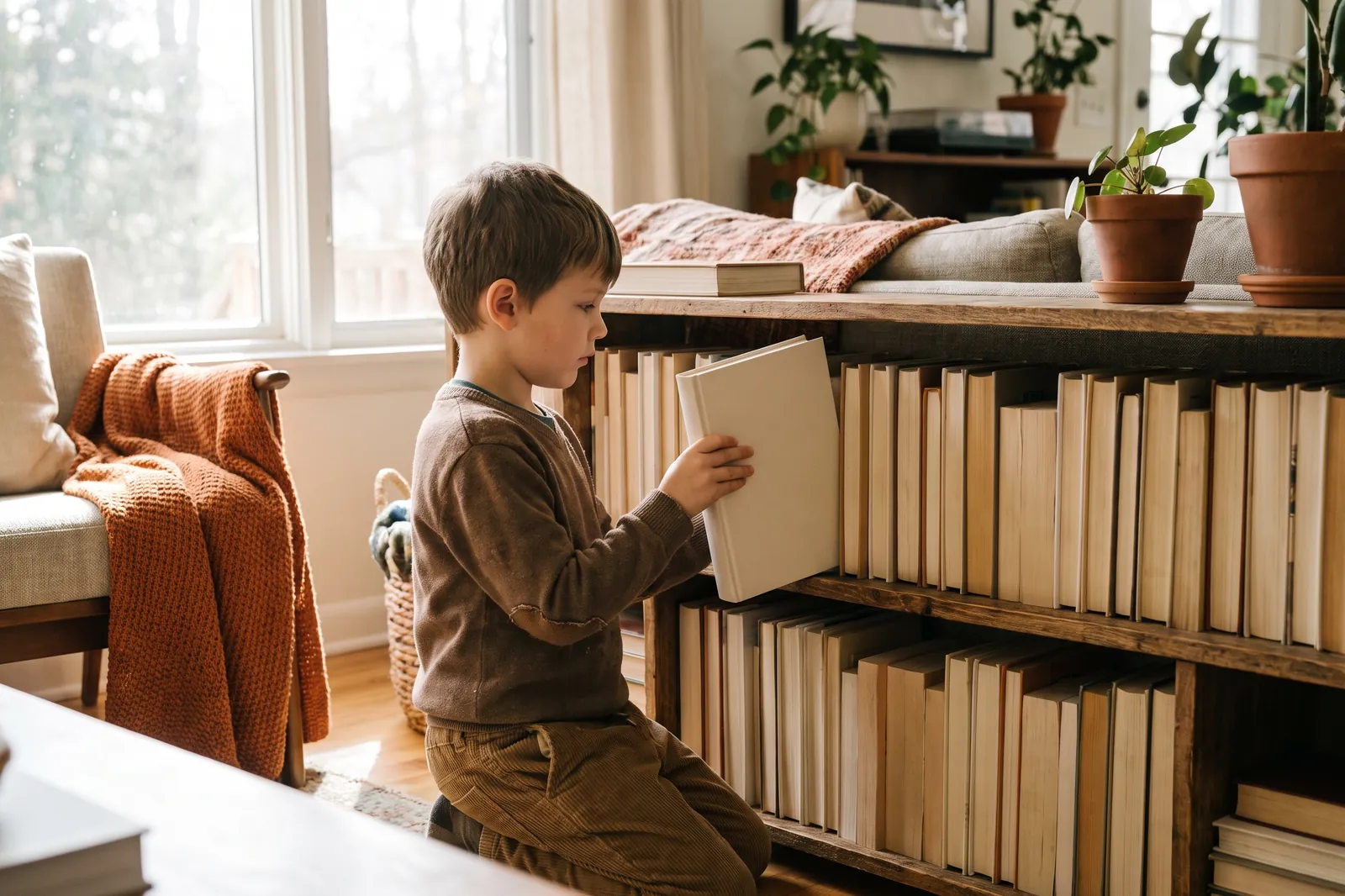
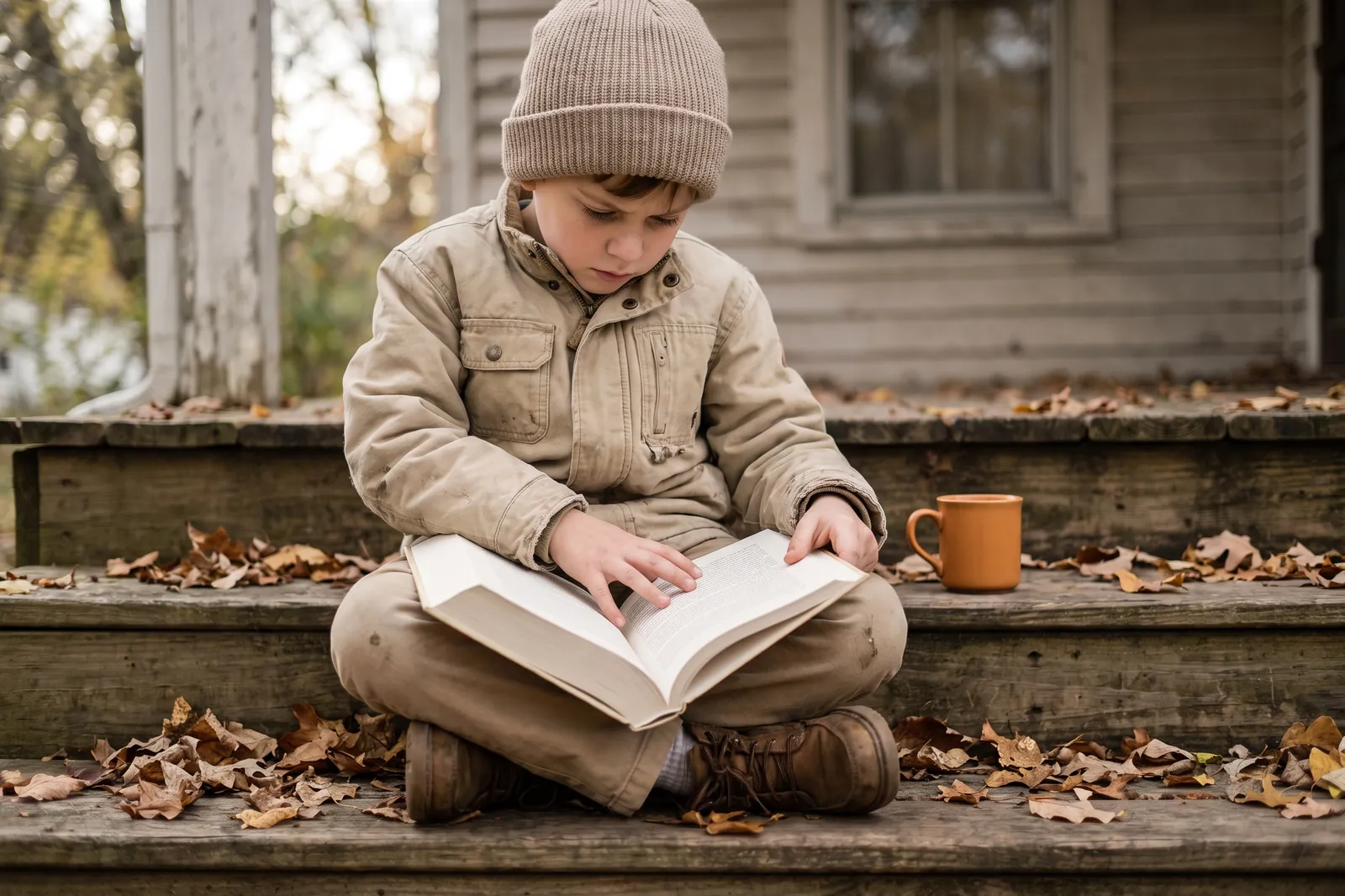
Books for kids who don’t like reading (yet)
A hero who is half dog, four bad guys trying to be good and a monster at the end of the book. The books that turn “I hate reading” into “one more chapter.”
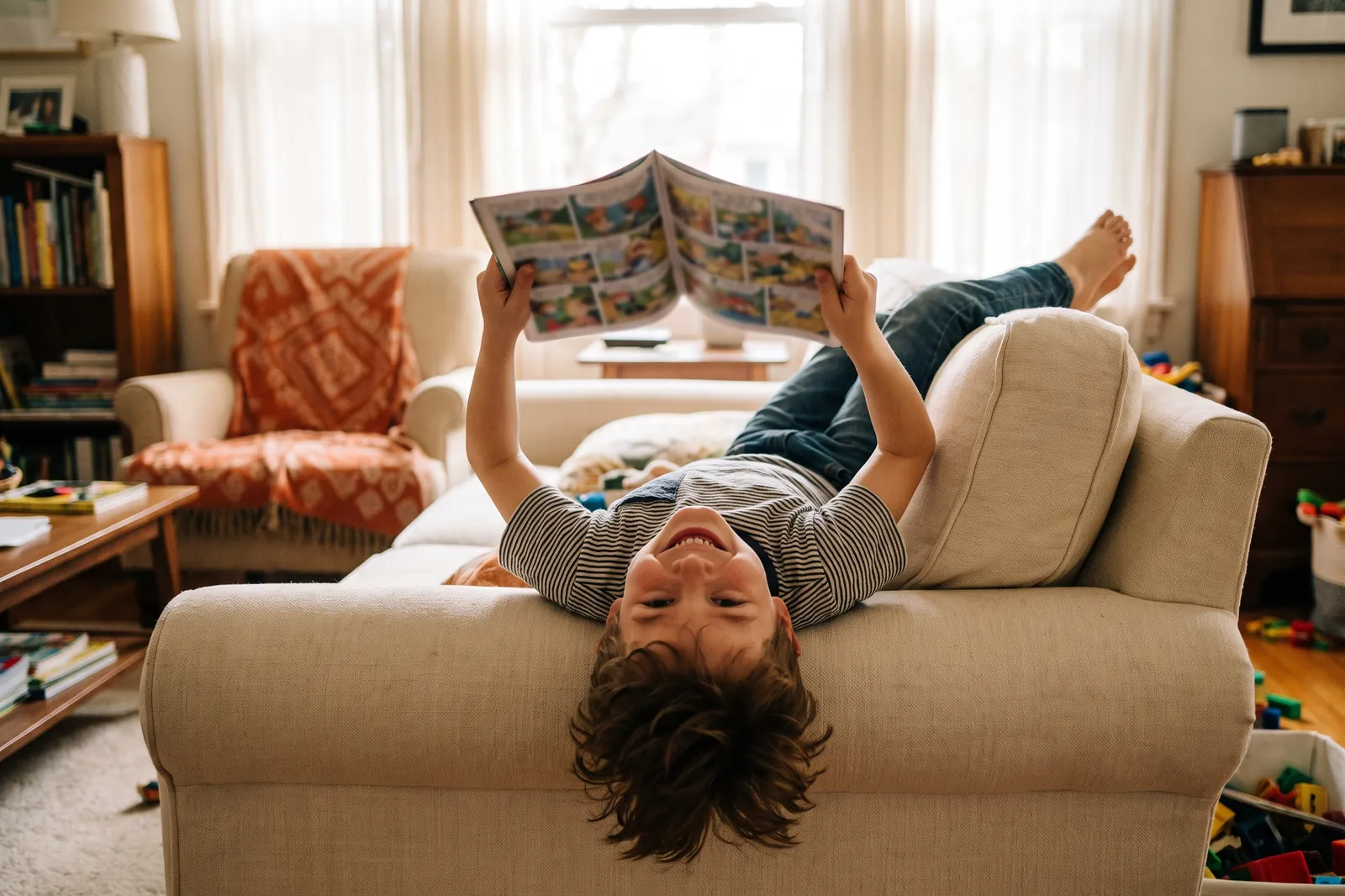
Books for kids who don’t like reading should be funny, fast and full of pictures. Try graphic novels like Dog Man and Investigators, illustrated chapter books like The Bad Guys, fact books like Weird But True!, and silly read-alouds like The Monster at the End of This Book. Let your child choose, and count audiobooks and comics as reading.
If your child groans at the word “book,” you are not alone, and you have not done anything wrong. Plenty of kids who love stories don’t love reading yet: it is slow, it is hard work, or the books they have met so far simply aren’t their kind of book. The best books for kids who don’t like reading are funny, fast and full of pictures, and they make a child forget they are reading at all. Here are the ones we would try first.
Every title below is a real, published book, checked against a library record or the American Library Association’s Geisel list.
Why some kids don’t like reading (yet)
- It is still hard. When every word takes effort, there is no energy left to enjoy the story.
- The books are wrong for them. A child who loves sharks may not care about a gentle story about friendship.
- It feels like homework. The American Academy of Pediatrics notes that children often come to associate reading with work, not fun.
The fix is rarely a lecture. It is the right book, in the right format, at a level that feels easy.
Books for kids who don’t like reading: start with comics
Dog Man
Graphic novel seriesA police officer and his police dog are hurt on the job, and a surgery joins the dog’s head to the officer’s body. The result is Dog Man, a hero who is great at fighting crime and also very much a dog. From the creator of Captain Underpants, and often the series that turns a reluctant reader into a kid who asks for more.
The Bad Guys
Illustrated chapter book seriesMr. Wolf, Mr. Snake, Mr. Piranha and Mr. Shark are tired of being the bad guys, so they decide to become heroes, whether anyone wants them to or not. Their first mission is a dog pound rescue. Big pictures, few words per page and lots of jokes.
Investigators
Graphic novel seriesMango and Brash are two alligators who work as secret agents, with gadgets, disguises and an endless supply of puns. The cases are silly, the panels move fast and the wordplay rewards kids who read every bubble.
Benny and Penny in the Big No-No!
Geisel Award, 2010Mouse siblings Benny and Penny have a new neighbor, a missing pail and a backyard they are not supposed to go into. Told in comic panels with simple speech bubbles, it was one of the first comics to win the Geisel Award for beginning readers. A great bridge for a young child who likes comics.
Funny books that make them forget they are reading
Bad Kitty
Picture bookWhen Kitty finds out her favorite foods are all gone, she behaves very, very badly, and she does it all the way through the alphabet. The jokes are fast and the pictures are wild. The later Bad Kitty books are chapter books, so a child who loves this one has somewhere to go next.
The Monster at the End of This Book
Picture bookGrover from Sesame Street learns there is a monster at the end of the book and begs the reader to stop turning pages. He ties them together and builds brick walls, and the reader keeps turning anyway. Every child loves the power, and the twist at the end.
Shark vs. Train
Picture bookTwo boys pull a toy shark and a toy train out of a box, and the competition begins: on a seesaw, in hot air balloons, at bowling, at hide-and-seek and more. Every contest has a different winner. Short lines, big laughs and an easy way to get a reluctant reader to read the parts aloud.
Press Start! Game Over, Super Rabbit Boy!
Early chapter bookThe story plays out like a video game, with levels, power-ups and a villain called King Viking. Kids who love games recognize the rules instantly. Lots of color, short chapters and a format that feels more like playing than reading.
For kids who would rather read facts
Weird But True!, from National Geographic Kids
Fact book. Hundreds of strange, surprising facts, each with a bold photo or illustration. There is no plot to follow, so a child can open anywhere, read one fact and share it with you at dinner. For many kids who say they hate reading, this is the book that proves otherwise.
I Survived the Sinking of the Titanic, 1912
Historical fictionTen-year-old George is on board the Titanic with his little sister and his aunt when the ship hits the iceberg. Short chapters, real history and nonstop tension make it a page-turner. Some scenes are scary, so it suits a seven or eight year old who likes thrills.
Audiobooks count, too
Listening is a second door into the same stories. Reading Rockets’ tips for encouraging kids to read start with reading together, whether snuggled under the covers or following along with a recorded book on a road trip. Listen to a book in the car, then leave the paper copy where your child will find it. Our guide to the best audiobooks for kids has picks. Full disclosure: our own set, The Money & Business Library, five illustrated picture books for ages 4 to 8, comes with an audiobook option, so a story can be heard first and read later. You can see it in the box below.
How to help a child who doesn’t like reading
- Let them choose. Reading Rockets puts it simply: reading should be a choice, not a chore. Let their interests lead, even if that means comics.
- Go beyond books. Magazines, comic books, game instructions and closed captions all count as reading practice.
- Keep reading aloud. The AAP advises parents not to stop reading aloud once children can read themselves. Hearing a great story is how kids learn what reading is for.
- Make time without pressure. A regular reading time, together or side by side, tells your child that reading matters, without turning it into a test.
If reading seems unusually hard for your child, not just unappealing, talk with their teacher. Reading Rockets’ guide for parents of struggling readers is a calm place to start. For more ideas, see how to get kids interested in reading.
Questions parents ask
What are good books for reluctant readers?
Books with lots of pictures, humor and short chapters: graphic novels such as Dog Man and Investigators, illustrated series such as The Bad Guys, fact books such as Weird But True!, and early chapter books built like games, such as Press Start!
Do graphic novels count as reading?
Yes. Reading Rockets lists comic books, magazines and even video games among the reading materials that give kids practice, and Benny and Penny in the Big No-No!, told in comic panels, won the Geisel Award for beginning readers.
Do audiobooks count as reading?
Listening to a book builds the same love of stories and a lot of vocabulary, and it can lead kids back to the paper book. Reading Rockets suggests following along with a recorded book on a road trip as one way to read together.
How do I get my child to like reading?
Let them choose books about what they already love, keep reading aloud, and make reading a regular, relaxed part of the day rather than a chore. The American Academy of Pediatrics notes that reading should be fun, and that you don’t have to finish a book they have lost interest in.
Sources
Written by the WonderLab Journal editorial desk and checked against the sources above. Found something out of date? Tell us through the corrections page.