Books every child should read before age 8: the classics that still work
A bull who smells the flowers, a house that watches a city grow and a pot that won’t stop making pasta. The classics that still work, sorted by age.
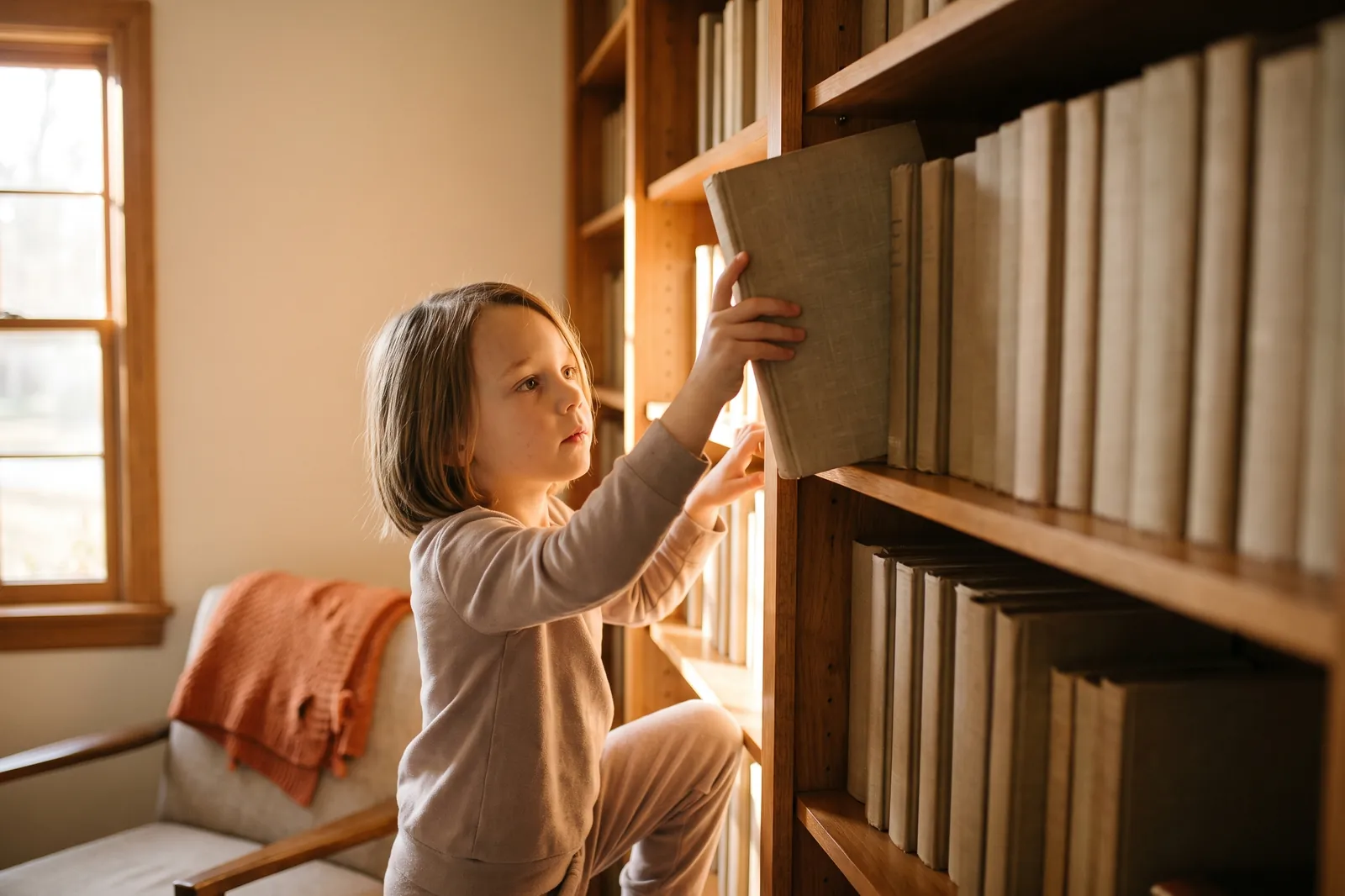
Books every child should read before age 8 include The Runaway Bunny and Blueberries for Sal for the youngest, The Story of Ferdinand, Madeline, The Little House and Swimmy for ages 4 to 6, and Sylvester and the Magic Pebble, Strega Nona and Where the Sidewalk Ends for 6 to 8. Add Where the Wild Things Are too.
Every family has a few books that get passed down, read in three different voices over thirty years and still asked for at bedtime. Lists of books every child should read can get long and dusty. This one is short on purpose: classic picture books, most of them more than fifty years old, that still hold a five-year-old’s attention today. Many won a Caldecott or Newbery honor; all of them are easy to find in print or at the library.
Every title below is a real, published book, checked against a library record or the American Library Association’s Caldecott and Newbery lists.
Books every child should read: what makes a classic work
- A shape a child can feel. A repeated line, a journey out and home again, a problem that grows and then breaks.
- Pictures that do real work. Small details a child finds on the tenth reading that you missed on the first.
- A feeling, not a lesson. The best classics trust children to get the point.
Some favorites from our other guides belong here too: Where the Wild Things Are, The Snowy Day and Corduroy are on our list for 4 year olds, and Frog and Toad Are Friends on our list for 5 year olds. Below are the other classics we would not want a child to miss.
Classic children’s books for the youngest (ages 2 to 4)
The Runaway Bunny
Picture book, first published in 1942A little bunny announces he is going to run away. Wherever he says he will go, a fish in a stream, a crocus in a garden, a sailboat, his mother says she will follow him there. It is a game and a promise at the same time, and small children find it deeply reassuring.
Caps for Sale
Picture bookA peddler carries his caps for sale stacked on his head. When he naps under a tree, a band of monkeys takes every cap but his own, and copies whatever he does to get them back. Children love acting it out, especially the ending.
Blueberries for Sal
Caldecott Honor, 1949Little Sal and her mother go up Blueberry Hill to pick berries, and on the other side of the hill a little bear and its mother are doing the same. Then the children get mixed up. Gentle suspense and the sound of berries in a pail: kuplink, kuplank, kuplunk.
Classic picture books for ages 4 to 6
The Story of Ferdinand
Picture book, first published in 1936All the other young bulls want to fight in the bullring in Madrid. Ferdinand would rather sit under a cork tree and smell the flowers. When a bee sting gets him picked for the fight by mistake, he stays true to himself. Still one of the best books about being who you are.
Madeline
Caldecott Honor, 1940In an old house in Paris live twelve little girls in two straight lines, and the smallest is Madeline, who is afraid of nothing. One night she needs to go to the hospital, and comes home with a scar and a lot of attention. The rhymes are perfect for reading aloud.
Mike Mulligan and His Steam Shovel
Picture book, first published in 1939Mike Mulligan’s steam shovel, Mary Anne, is out of date, so he makes a bet: they can dig the cellar for the new town hall in just one day. The whole town comes to watch. A thrilling race, and a clever ending suggested by a little boy.
The Little House
Caldecott Medal, 1943A little house on a hill watches the seasons pass, until a road arrives, then more houses, then a city that grows up all around her. She misses the daisies and the stars. A beautiful book about change and home that children return to again and again.
Swimmy
Caldecott Honor, 1964Swimmy is a small black fish whose whole school of red fish is swallowed by a tuna. Alone, he explores the wonders of the sea, then finds a new school too scared to swim. His plan teaches them to swim together as one big fish. Beautiful, and a quiet lesson in teamwork.
Amazing Grace
Picture bookGrace loves stories and acting out every part. When classmates tell her she cannot play Peter Pan in the school play because she is a girl, and because she is Black, her Nana helps her see that she can be anything she sets her mind to. Warm, proud and still very much needed.
Classic books for ages 6 to 8
Millions of Cats
Newbery Honor, 1929A very old man sets out to find one cat for his wife and comes home with “hundreds of cats, thousands of cats, millions and billions and trillions of cats.” The cats quarrel over who is prettiest, and only one plain little kitten is left. The refrain is irresistible to say together.
Sylvester and the Magic Pebble
Caldecott Medal, 1970Sylvester the donkey finds a magic pebble that grants wishes, panics when he meets a lion and wishes himself into a rock. Then he cannot wish himself back. The middle is sad, as his parents search for him, so read it together. The reunion is one of the most joyful endings in picture books.
Strega Nona
Caldecott Honor, 1976Strega Nona has a magic pasta pot, and her helper Big Anthony is told never to touch it. Of course he does, and pasta pours out over the whole town. A funny folk tale about listening, with a fitting punishment at the end.
Stone Soup
Caldecott Honor, 1948Three hungry soldiers arrive in a village where everyone hides their food. So they announce they will make soup from stones, and one by one the curious villagers add a carrot, a cabbage, some meat, until there is a feast for everyone. An old folk tale about sharing, told with a wink.
Where the Sidewalk Ends
Poems, first published in 1974A big collection of funny, strange and sometimes touching poems with Silverstein’s own line drawings. Kids open it anywhere, read one poem and keep going. It is often a child’s first book of poetry and the one they remember.
Giving a classic as a gift
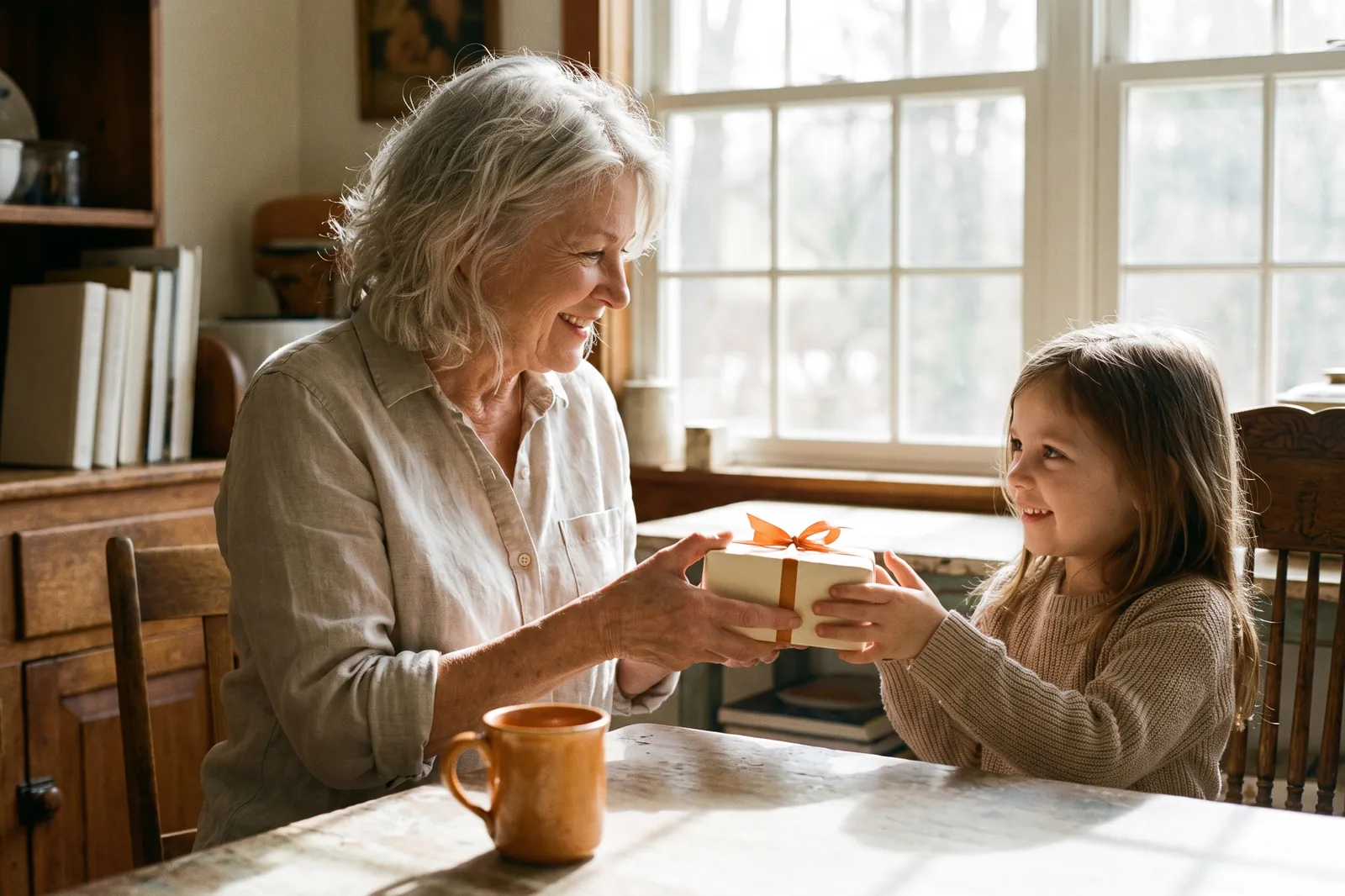
Classics make some of the best gifts from grandparents, because they come with a story: “I read this to your mom.” Write that on the inside cover with the date. For more ideas, see our guides to gifts for grandkids, books as gifts for kids and book box sets.
How to share a classic
- Tell them why you chose it. “This was my favorite when I was five.” That alone makes it special.
- Talk about what is different. Old books show old cars, old houses and sometimes old ideas. That is a conversation, not a problem.
- Let them choose the next one. The American Academy of Pediatrics suggests letting your child choose the book, even if it means reading the same one over and over.
Questions parents ask
What are the best children’s books of all time?
There is no single list, but classics that have won Caldecott or Newbery honors and stayed in print for decades are a good guide: The Little House, Sylvester and the Magic Pebble, Madeline, Swimmy, Blueberries for Sal and Where the Wild Things Are are among them.
Are classic children’s books still good for kids today?
Many are. The best classics have simple, strong stories and pictures that children respond to now as they did decades ago. Some older books show outdated ideas, which you can talk about together as you read.
What classic books are good for ages 5 to 8?
The Story of Ferdinand, Mike Mulligan and His Steam Shovel, Strega Nona, Sylvester and the Magic Pebble, Millions of Cats and the poems in Where the Sidewalk Ends all work well for five to eight year olds.
What is a good classic book to give as a gift?
A picture book you loved as a child, with a note inside the cover saying so. The Runaway Bunny suits toddlers, The Story of Ferdinand or Madeline suits four to six year olds, and Where the Sidewalk Ends lasts for years.
Sources
Written by the WonderLab Journal editorial desk and checked against the sources above. Found something out of date? Tell us through the corrections page.