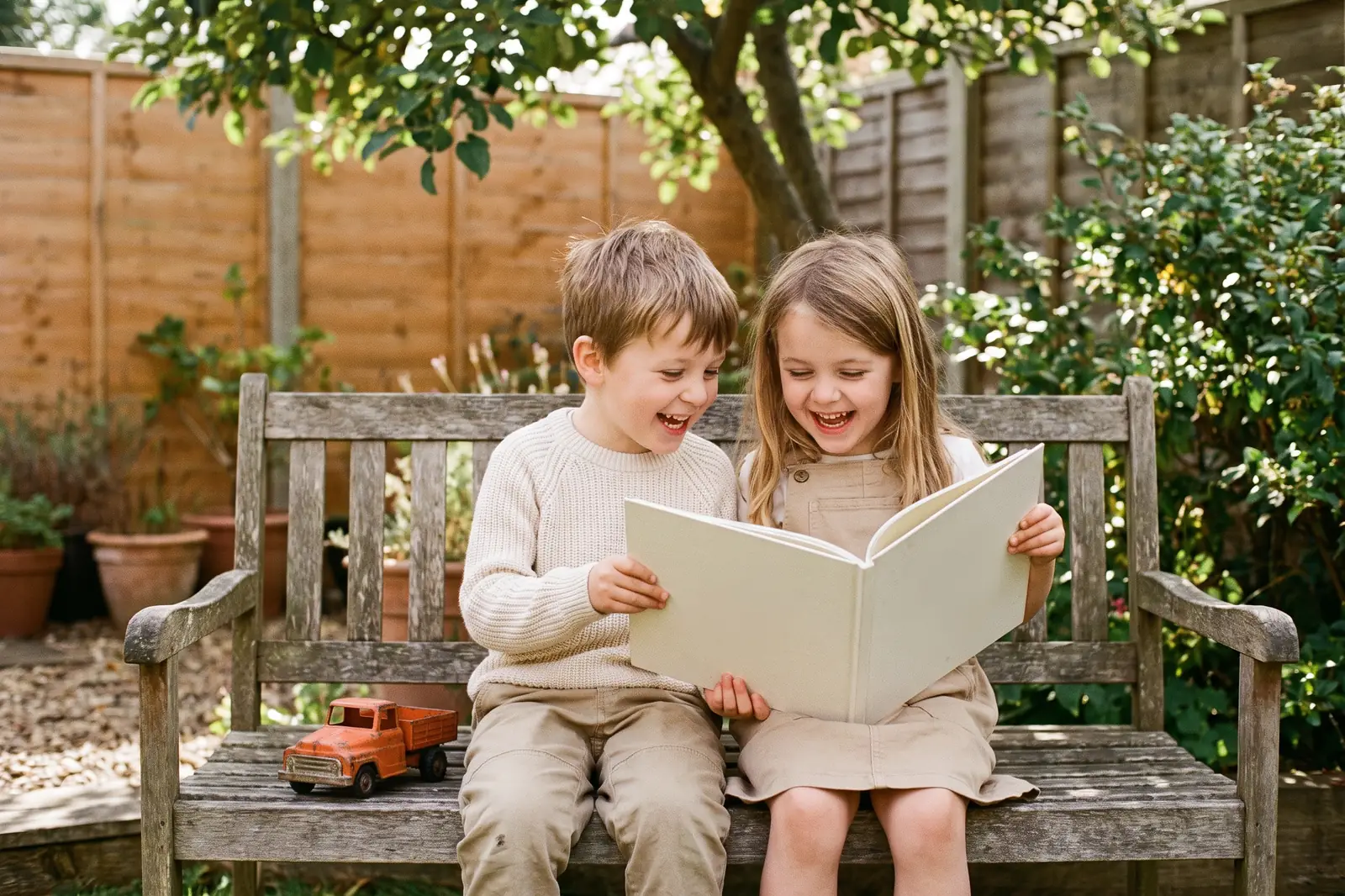
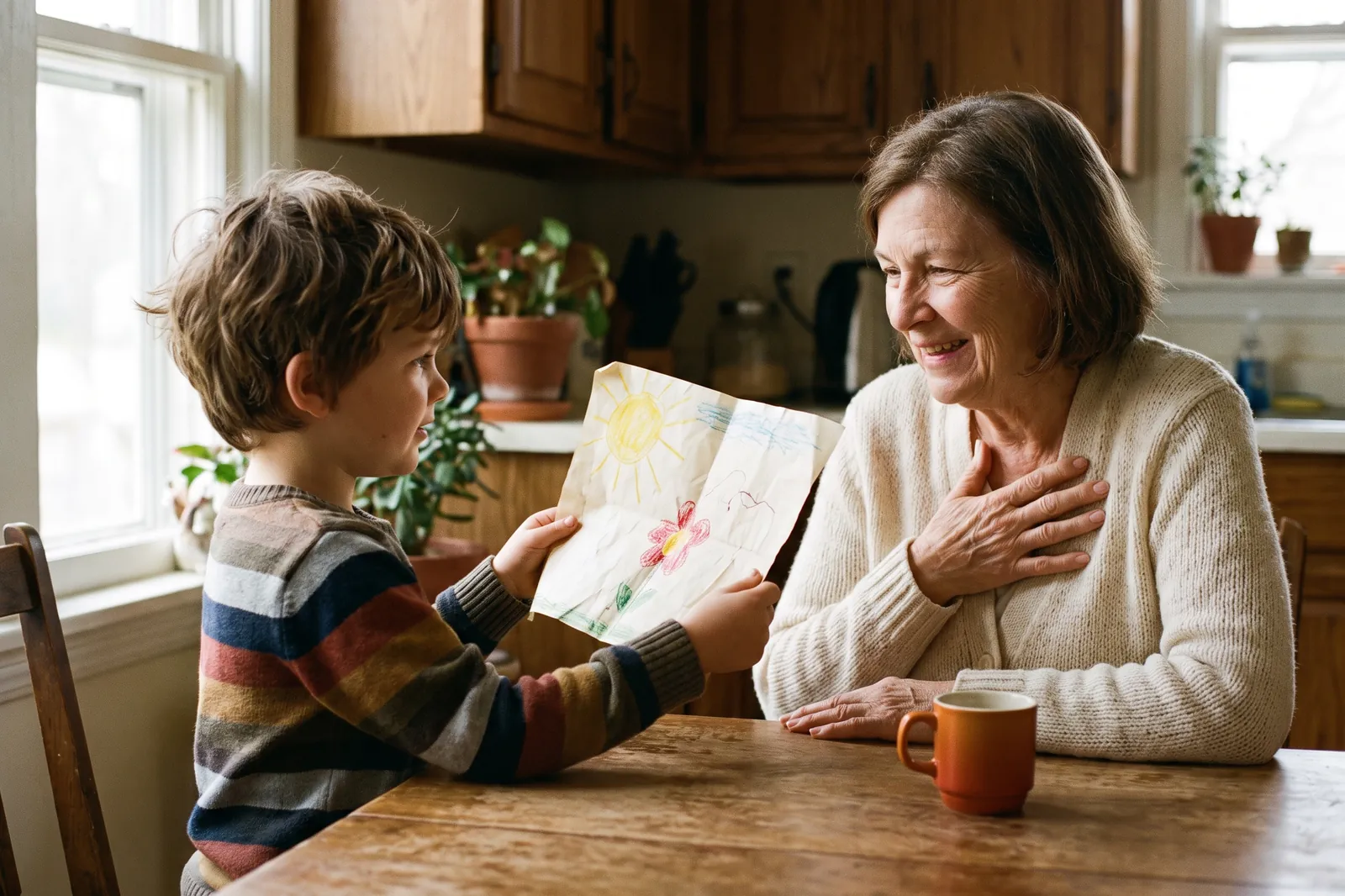
Books about kindness for kids that don’t preach
Twelve picture books that show kindness in action instead of preaching it: a mouse and a lion, an ant and a shoe, a girl who walks beside a classmate, and a friendship missed.
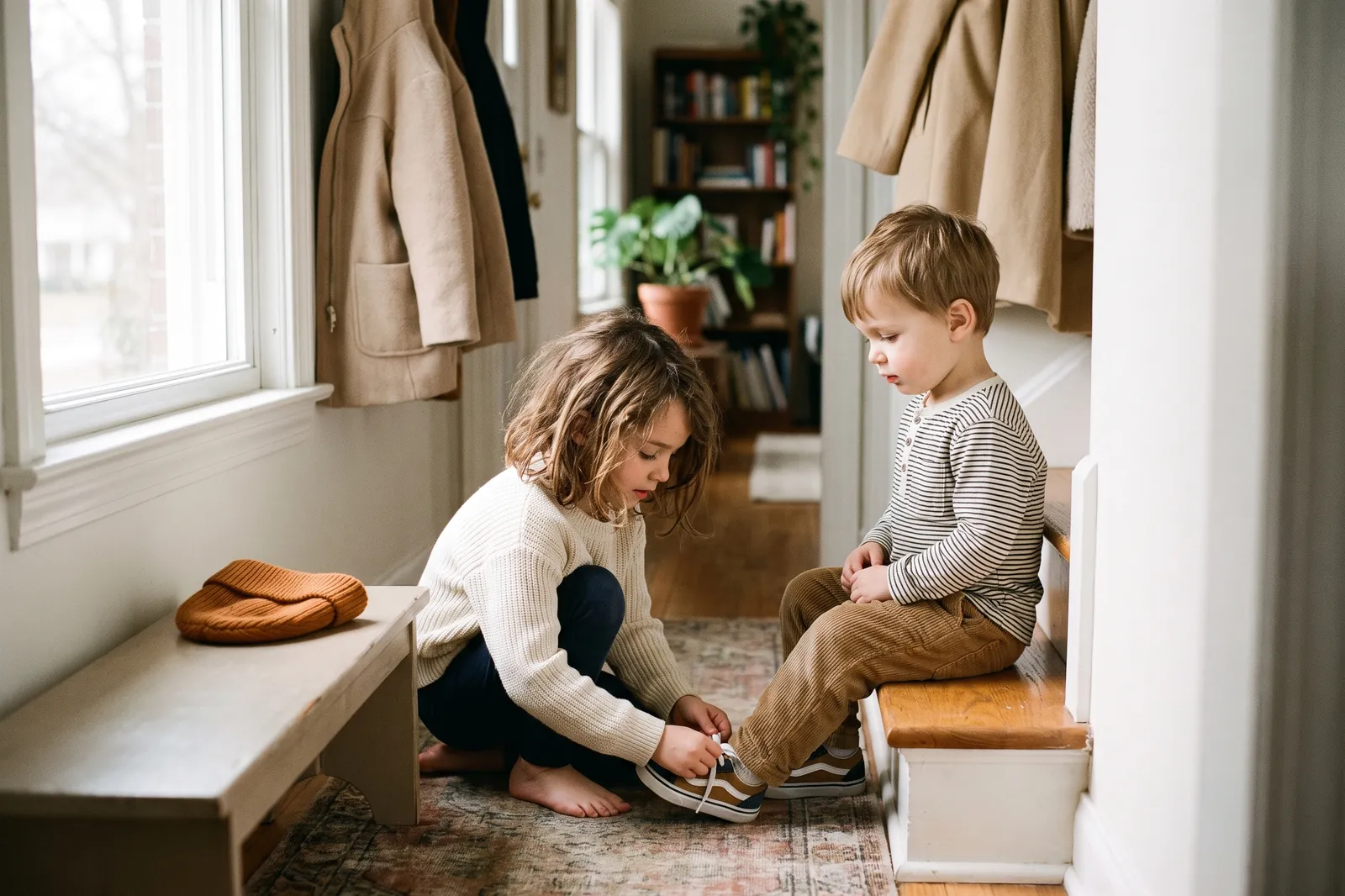
In this guide
The short answer
The best books about kindness for kids show a moment instead of a rule. For ages 2 to 4, try Kindness Makes Us Strong by Sophie Beer and The Lion & the Mouse by Jerry Pinkney. For ages 4 to 6, read Be Kind by Pat Zietlow Miller and Hey, Little Ant. For ages 6 to 8, I Walk with Vanessa and Each Kindness by Jacqueline Woodson start real conversations.
Most children can recite “be kind” long before they know what it looks like on a rainy playground or at a lunch table where someone is sitting alone. The best books about kindness for kids skip the sermon and show the moment: a mouse who helps a lion, a girl who walks beside a classmate, a friend who keeps a secret about an empty fridge. Below are 12 real picture books about kindness and empathy for ages 2 to 8 that let the story do the teaching.
Every title is a published book we checked against the publisher, the library record or an award list. Most are easy to find at your local library.
What makes books about kindness for kids work
Harvard’s Making Caring Common project, which studies how children become caring adults, puts it this way: “Children need practice caring for others and being grateful.” Practice, not just instruction. The same project recommends expanding a child’s “circle of concern,” helping them care about people outside their own family and friends.
That shaped how we chose:
- Show, don’t tell. We favored stories where kindness happens, or fails to happen, rather than books that list rules.
- Room to disagree. The best books leave a question open for your child to answer.
- A wider circle. Several stories ask a child to be kind to someone who is not already their friend.
Picture books about kindness for little ones (ages 2 to 4)
For toddlers and young preschoolers, kindness starts with simple acts they can copy: sharing, helping, noticing someone who is sad.
1. Kindness Makes Us Strong, by Sophie Beer
A bright, sturdy board book that shows children being kind in all kinds of everyday places: the playground, lunchtime, a bike path, a neighborhood street. It shows kindness as something small and doable, which is just right for a two or three year old.
2. How Kind!, by Mary Murphy
Hen gives Pig an egg, and that one kind act sets off a chain of kindnesses that reaches every animal on the farm. Short, repetitive and satisfying, it is a first lesson in how kindness travels.
3. The Lion & the Mouse, by Jerry Pinkney
A wordless retelling of Aesop’s fable set on the African Serengeti: a lion spares a mouse, and later the mouse rescues the lion. It won the Caldecott Medal in 2010. With no text, your child tells the story, and that makes it theirs.
Books about kindness and empathy for ages 4 to 6
From four on, children start to imagine how someone else feels, and these books give them practice.
4. Horton Hears a Who!, by Dr. Seuss
A whole city of tiny Whos lives on a speck of dust, and Horton the elephant is the only one who believes they are there. “A person’s a person, no matter how small” is the line most families remember. It is a good way to talk about caring for someone you cannot easily see or hear.
5. Hey, Little Ant, by Phillip and Hannah Hoose, illustrated by Debbie Tilley
Written by a father and daughter as a song, it is a conversation between a kid with a raised shoe and the ant who begs not to be squished. Should the kid squish it? The book does not answer for you, which is exactly why it sparks such good talks.
6. The Big Umbrella, by Amy June Bates
A big red umbrella welcomes anyone and everyone who needs shelter from the rain, and somehow there is always room for one more. A quiet, lovely book about including others without making a speech about it.
7. Ordinary Mary’s Extraordinary Deed, by Emily Pearson, illustrated by Fumi Kosaka
An ordinary girl does one small good deed, and it is passed on and multiplied by everyone it touches. Children love following the chain, and it shows that a small act matters.
8. Be Kind, by Pat Zietlow Miller, illustrated by Jen Hill
When Tanisha spills grape juice all over her new dress, a classmate wonders how to make her feel better and what being kind really means. She thinks through small acts, like asking the new girl to play, and bigger ones, like standing up for someone. Honest about how hard it can be to know what to do.
Books about compassion for kids ages 6 to 8
School-age children can handle stories where kindness costs something, or where someone gets it wrong.
9. I Walk with Vanessa, by Kerascoët
A wordless picture book in which a girl watches a classmate, Vanessa, being bullied, and is not sure how to help. What she decides to do is simple and brave. With no words, your child narrates, and you find out what they would do.
10. The Smallest Girl in the Smallest Grade, by Justin Roberts, illustrated by Christian Robinson
Sally McCabe is so small that nobody notices her, but she notices everything, including the unkindness going on around her. When she finally speaks up, people start to pay attention. A strong book for quiet children who see more than they say.
11. The Invisible Boy, by Trudy Ludwig, illustrated by Patrice Barton
Nobody ever seems to notice Brian or think to include him, in a game, a group or a birthday party. Then a new boy, Justin, arrives, and Brian is the first to make him feel welcome. A gentle story about how small acts of kindness help a child feel included, and a good one for asking: “Is there someone in your class who might feel invisible?”
12. Each Kindness, by Jacqueline Woodson, illustrated by E.B. Lewis
Chloe and her friends will not play with the new girl, Maya, and eventually Maya stops coming to school. When their teacher gives a lesson about how small acts of kindness can change the world, Chloe thinks about the friendship she missed. It does not have a happy ending, and that is its power: it lets children feel the cost of unkindness without anyone being lectured.
For a story about kindness and wanting what everyone else has, Those Shoes by Maribeth Boelts is in our list of the best books for kids about money.
How to read books about kindness without preaching
- Ask, then wait. “What would you have done?” works better than “See? Be kind.” If your child says they would squish the ant, ask why, and listen.
- Point at feelings. The CDC suggests helping four year olds learn about others’ feelings and positive ways to react, for example: “He looks sad. Let’s bring him a teddy.” Stories are a safe place to practice that.
- Notice real kindness. When you see your child share or help, name it: “You saw she was sad and you sat with her.” Specific beats general.
- Let them be the kind one at home. Making a card for a sick neighbor or helping a younger sibling turns a story into a habit. Our guide to books about giving has more ideas.
Kindness and generosity often come up around money and sharing, too. For the bigger picture of what children understand about money at each age, see how to teach kids about money.
Questions parents ask
What is a good book about kindness for preschoolers?
For ages 2 to 4, Kindness Makes Us Strong by Sophie Beer and How Kind! by Mary Murphy show small, simple acts of kindness a young child can copy. For ages 4 to 6, Be Kind by Pat Zietlow Miller and The Big Umbrella by Amy June Bates are thoughtful picks that do not lecture.
How do you teach kindness to a child without preaching?
Give them practice and questions instead of rules. Read stories where kindness happens, ask what they would have done, and notice it out loud when they are kind. Harvard’s Making Caring Common project stresses that children need practice caring for others, and that expanding their circle of concern beyond family and friends matters.
Are there wordless picture books about kindness?
Yes. I Walk with Vanessa by Kerascoët shows a girl deciding how to help a bullied classmate, and The Lion & the Mouse by Jerry Pinkney, winner of the 2010 Caldecott Medal, retells Aesop’s fable without words. Wordless books let your child narrate, which shows you what they think.
What age do kids start to show empathy?
Early. By around age 4, the CDC lists comforting others who are hurt or sad, like hugging a crying friend, as a typical milestone. Empathy keeps growing through the early school years, and stories help children practice imagining how someone else feels.
Sources
- 7 Tips for Raising Caring Kids Making Caring Common, Harvard Graduate School of Education
- Milestones by 4 Years (Learn the Signs. Act Early.) Centers for Disease Control and Prevention
- Caldecott Medal and Honor Books, 1938 to present Association for Library Service to Children, American Library Association
Links checked on October 12, 2026. Guidance changes; the publishers above keep the current version.
Written by the WonderLab Journal editorial desk and checked against the sources above. Found something out of date? Tell us through the corrections page.