Books about anger for kids: picture books for when they’re mad
A girl who runs out the door, a mouse who tries every kind of mad, and a pot of soup you scream into. Picture books for the moments when feelings get big.

The best books about anger for kids show that being mad is normal, and show a safe way to get through it. Start with When Sophie Gets Angry, Really, Really Angry... by Molly Bang, a Caldecott Honor book, and Sometimes I’m Bombaloo by Rachel Vail. For toddlers, try Hands Are Not for Hitting by Martine Agassi and How Do Dinosaurs Say I’m Mad? by Jane Yolen. Mean Soup by Betsy Everitt is a calming ritual you can actually copy at home.
Every child gets angry. A tower falls, a sibling grabs the toy, the answer is no. If your child’s anger sometimes feels bigger than they are, that is a normal part of growing up, and nothing you have done wrong. What they need is a way to understand the feeling and a few things to do with it. Books about anger for kids do both, and they do it when everyone is calm, which is the only time teaching works. These are the picture books about anger we trust, from toddler board books to stories for seven and eight year olds.
Every title below is a real, published book, checked against a library record, its publisher or the American Library Association’s award lists.
Anger is normal. What helps
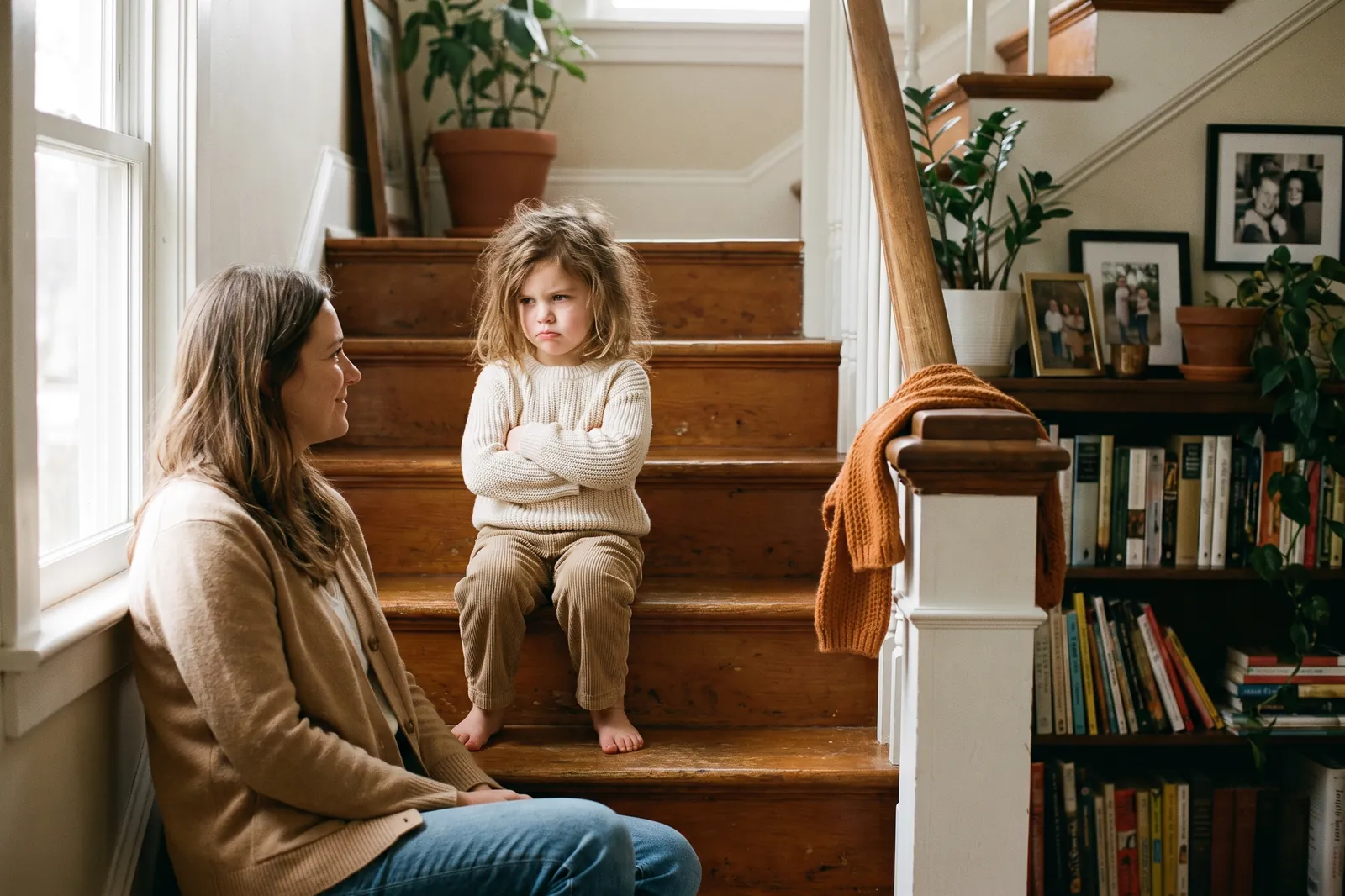
The American Academy of Pediatrics notes that tantrums are a normal part of development and happen most between ages 1 and 3. As children grow, the goal shifts from riding out tantrums to handling anger in better ways. The AAP’s advice is to teach children that it is OK to feel mad sometimes, but not to hurt someone or break things, and to show them positive ways to deal with angry feelings, like talking about it. It also recommends that parents not spank or hit, and suggests that grown-ups take their own short time out when they feel out of control.
Picture books about anger for ages 4 to 8
When Sophie Gets Angry, Really, Really Angry...
Caldecott Honor, 2000When her sister grabs her toy, Sophie gets so angry she wants to roar. She runs out of the house, cries, and finds her way to a tree where the wind and the water calm her down. Then she goes home. The glowing colors change with her mood, and children see that anger passes.
Sometimes I’m Bombaloo
For the child who feels out of controlKatie Honors is usually a good kid. But sometimes she gets so mad she becomes Bombaloo, and uses her feet and fists instead of words. Her mother helps her come back to herself. Children find it a relief to see that a good kid can have a Bombaloo moment, and still be loved.
Mouse Was Mad
Funny and usefulMouse is mad, and he tries expressing it the way his friends do: hopping like Hare, stomping like Bear, rolling like Hedgehog, screaming like Bobcat. None of it works for him, until he discovers his own way. A great book for talking about what your child can do when they are mad.
Mean Soup
A ritual to borrowHorace has had a terrible day and feels really mean. Instead of a lecture, his mother puts a pot of water on the stove and they make Mean Soup together. Kids love it, and many families end up making their own version at home.
Angry Arthur
For big imaginationsArthur’s mom says no, and Arthur gets angry. So angry that his anger becomes a storm, then something much bigger, until he cannot remember why he was angry in the first place. Six to eight year olds love the scale of it, and the ending is a gentle joke about how anger works.
The Very Cranky Bear
For the grumpy oneMoose, Lion, Zebra and Sheep shelter from the rain in a cave and wake a very cranky bear. They each try to cheer him up their own way, until one of them works out what the bear actually needs. The rhyme makes it a fun read-aloud, and it opens a good question: what is really behind a bad mood?
Cool Down and Work Through Anger
Practical, not a storyPart of the Learning to Get Along series from Free Spirit Publishing, this book walks children through concrete skills for anger: calming down, thinking, getting help from a trusted grown-up, talking it out and apologizing. It is direct and kind, and the section for adults at the back is handy. Best for kids who like to know what to do.
Books about anger for toddlers
Hands Are Not for Hitting
For the hitting phaseFrom the Best Behavior series by Free Spirit Publishing, this book shows all the good things hands can do instead of hitting: play, create, help and take care of yourself. The message is firm and never shaming. If hitting is a daily thing right now, you are far from the only one.
How Do Dinosaurs Say I’m Mad?
Rhymes and roarsEnormous dinosaurs in ordinary houses do the things toddlers do when they are mad, and then learn to calm down and make it right. The pictures are hilarious, and little ones love spotting the dinosaur’s name hidden on each spread. A light way to name behavior without pointing a finger.
Llama Llama Mad at Mama
For store meltdownsLlama Llama wants to play, but he has to go shopping with Mama instead. He gets so frustrated that he makes a mess in the store. Mama stays calm, and they find a way to finish the trip together. Any parent who has handled a meltdown in aisle five will relate.
How to use books about anger for kids at home
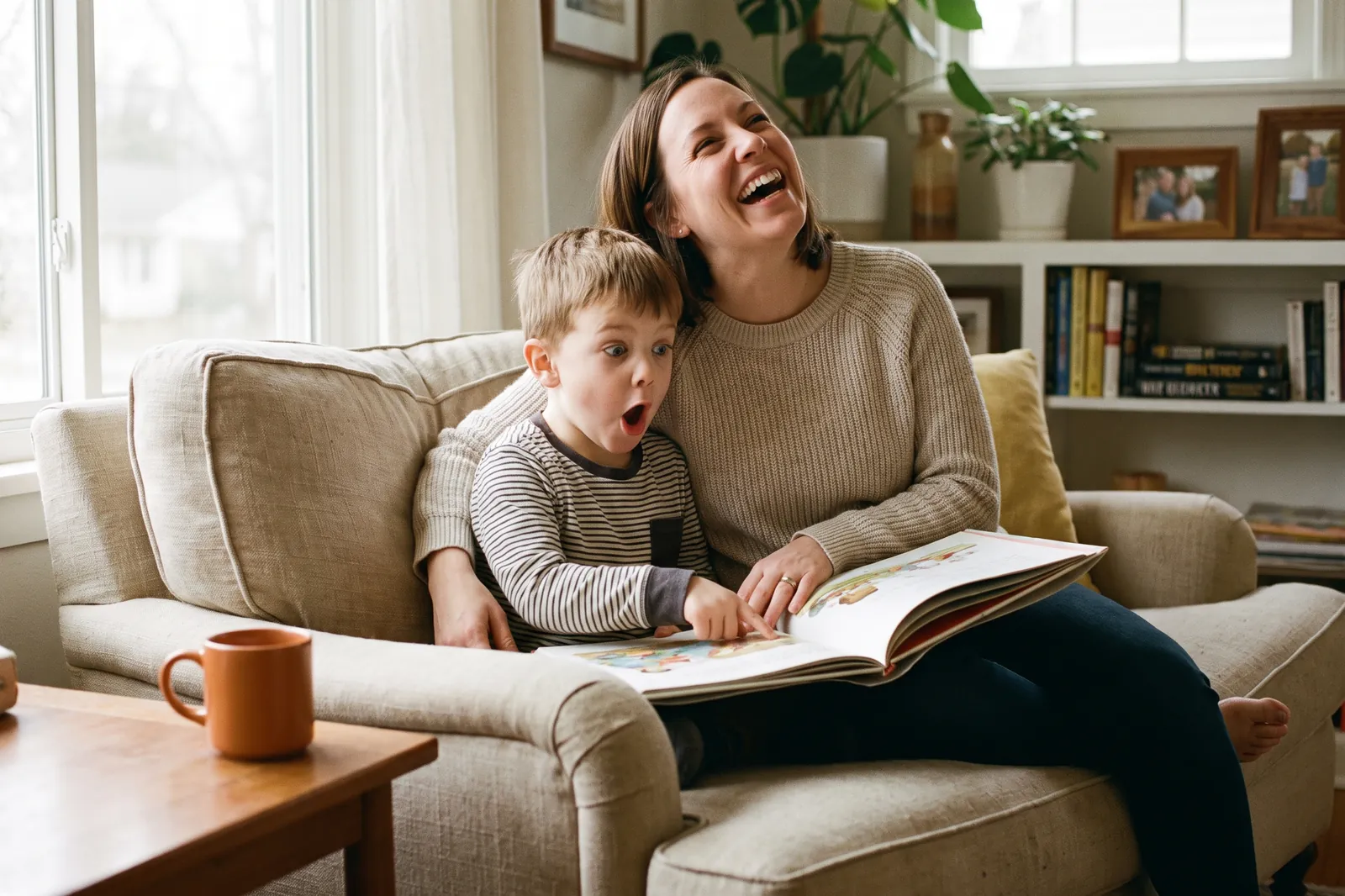
- Read them when everyone is calm. Mid-meltdown is not the time. Tomorrow at bedtime is.
- Name it together. “Sophie was really, really angry. Have you ever felt like that?”
- Make a plan. After Mouse Was Mad or Mean Soup, ask: “What could you do next time you feel that way?” Write the answer down.
- Show your own cool down. Saying “I’m frustrated, I’m going to take three breaths” teaches more than any book.
Plenty of angry moments start with a no at the store. If those are the hard ones in your house, our guide on how to teach kids about money has calm ways to say “not today.” For more help, see what to do when a toddler hits, how to handle toddler tantrums and our books about feelings for kids.
Questions parents ask
What are good books about anger for kids?
When Sophie Gets Angry, Really, Really Angry... by Molly Bang, a Caldecott Honor book, and Sometimes I’m Bombaloo by Rachel Vail are favorites for ages 4 to 8. Mouse Was Mad by Linda Urban and Mean Soup by Betsy Everitt add simple ideas your child can try when they feel mad.
What are good books about anger for toddlers?
Hands Are Not for Hitting by Martine Agassi, How Do Dinosaurs Say I’m Mad? by Jane Yolen and Llama Llama Mad at Mama by Anna Dewdney are short, rhythmic and easy for two and three year olds to follow.
How do I teach my child to manage anger?
The American Academy of Pediatrics suggests teaching children that it is OK to feel mad, but not to hurt someone or break things, and showing them positive ways to deal with anger, like talking about it. Modeling your own calm down, and practicing a plan when everyone is calm, helps more than talking in the moment.
Is it normal for my child to get so angry?
Yes. The AAP describes tantrums as a normal part of development, most common between ages 1 and 3. If you are worried about how often or how hard your child gets angry, talk with your pediatrician. You do not need to be sure something is wrong to ask.
Sources
Written by the WonderLab Journal editorial desk and checked against the sources above. Found something out of date? Tell us through the corrections page.